
The hip thrust machine is becoming increasingly popular in gyms because it focuses the load precisely on the glutes, yet many people still feel unsure the first time they use it. This article explains which muscles the hip thrust machine works, how to use it with correct technique, how to adjust the machine and belt, and why it belongs in everyone’s training plan, not just women’s.
If you are just starting out, check out these glute exercises for beginners before trying the movements below.
What Is a Hip Thrust Machine?
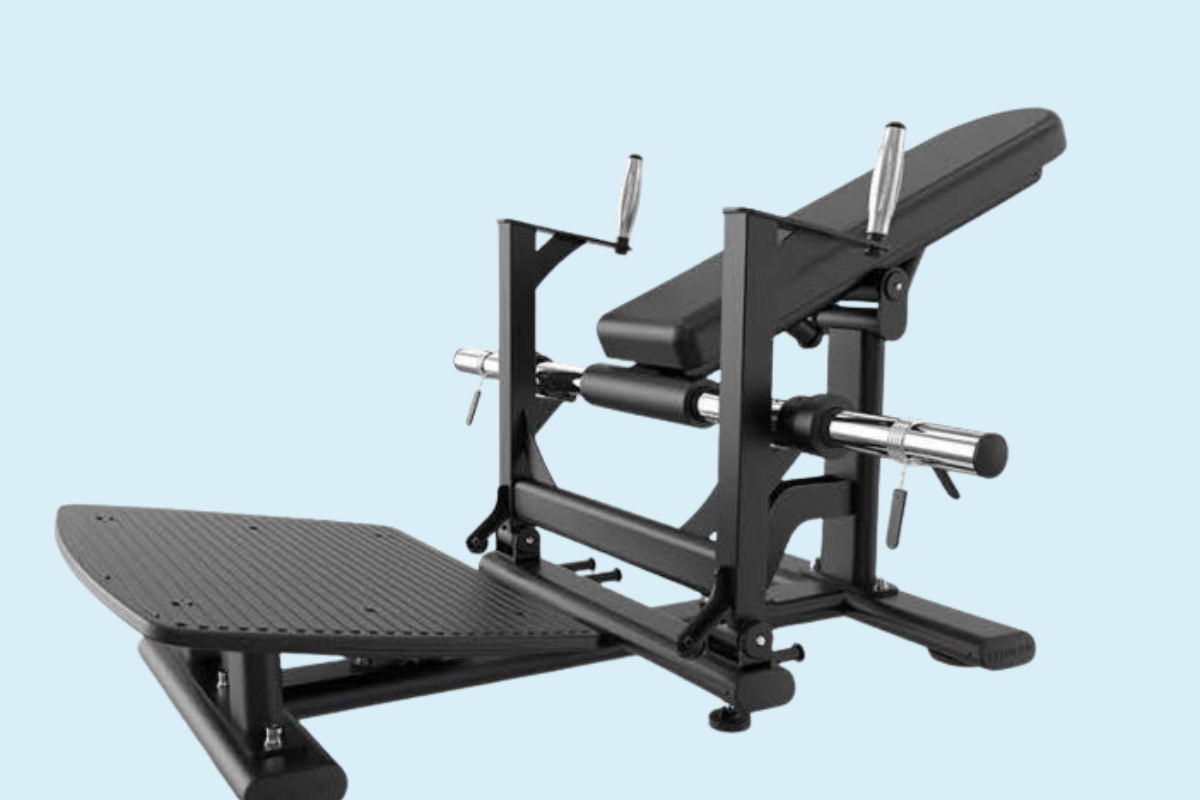
The hip thrust machine is a dedicated piece of equipment for performing the hip thrust with your shoulders resting on a fixed pad, feet on the floor or a platform, and the load positioned across your hips, instead of having to balance it yourself as with a regular barbell.
With its hip pad and securing belt, the machine lets you focus the force on your glutes without worrying about the weight slipping or losing balance. This is the difference from the glute bridge (shoulders on the floor, no dedicated hip pad), a simpler version that suits beginners before moving on to the machine. If you are not yet used to the hip-drive movement, read this glute bridge guide before trying the hip thrust machine.
Which Muscles Does the Hip Thrust Machine Work?
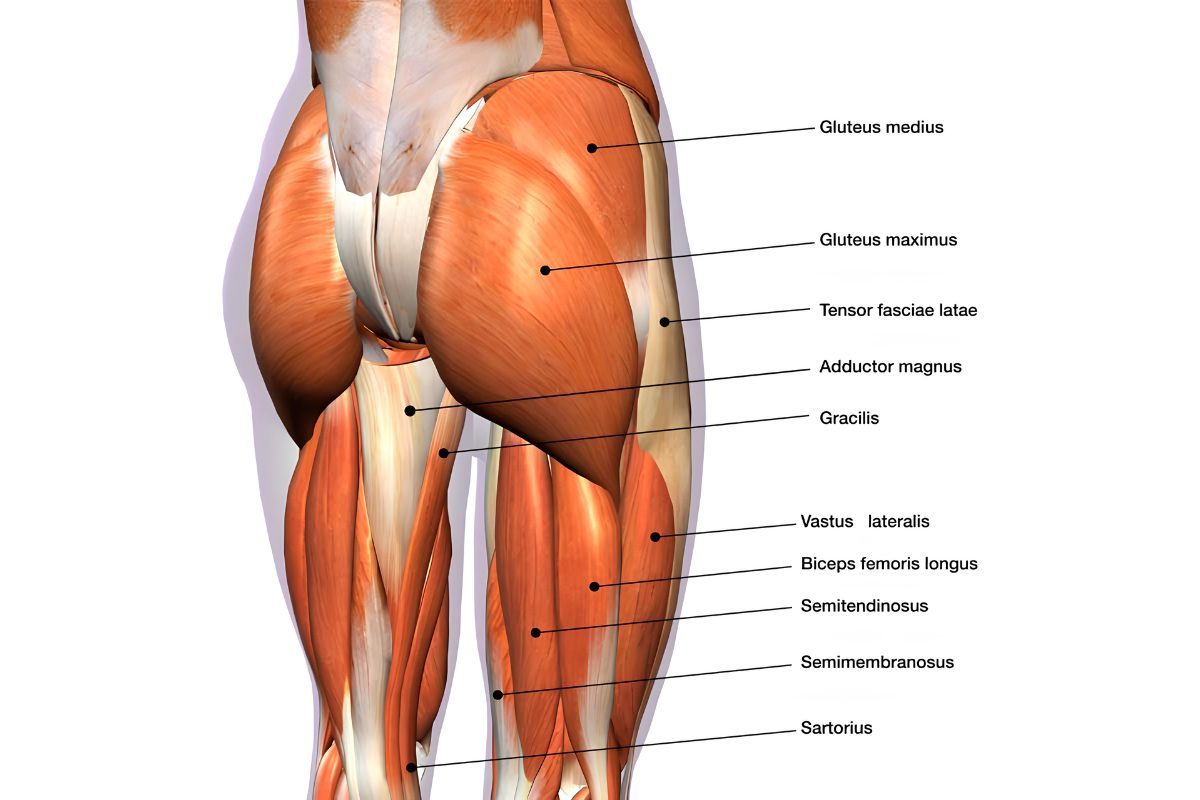
The hip thrust machine mainly works the gluteus maximus, the muscle chiefly responsible for driving the hips upward. The hamstrings and spinal erectors act as supporting muscles, stabilising the upper body and hips throughout the movement, while the core must stay braced to protect the spine under load.
Because the shoulders and load are fixed in place, the hip thrust machine isolates the glutes better than a regular barbell and limits other muscles from “stealing” the work during the exercise.
How to Use the Hip Thrust Machine with Correct Technique
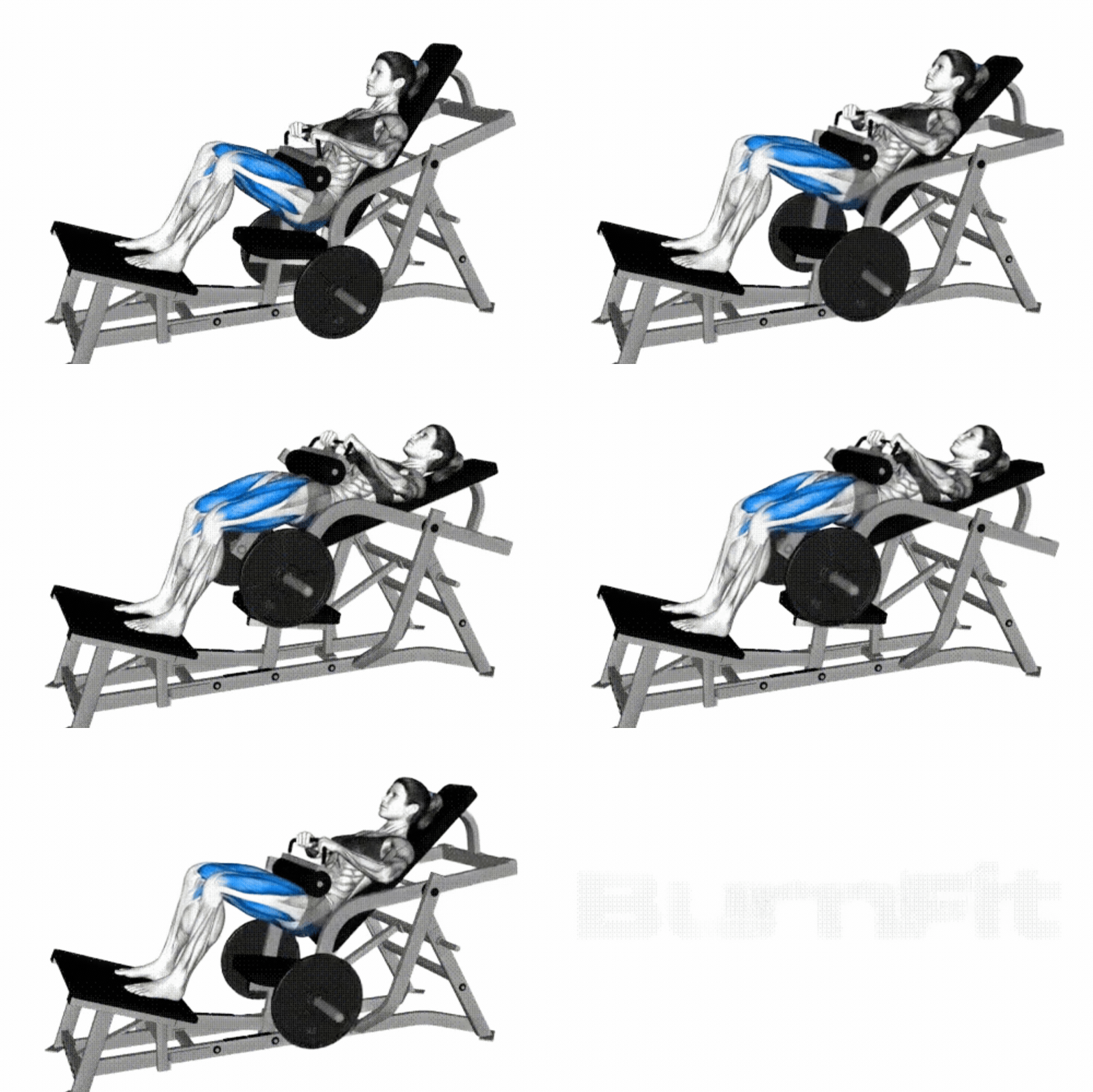
Preparation: Choose a suitable weight before you start. Beginners should try a few reps with no weight to get used to it; experienced lifters can start at about half their body weight.
Step 1: Choose a suitable weight. Beginners should try a few reps with no weight to get a feel for the machine first; experienced lifters can start at about half their body weight and build up gradually.
Step 2: Lie back against the pad and fasten the belt around your waist, tight enough to hold you in place but not so tight that it is hard to breathe.
Step 3: Place your feet shoulder-width apart on the platform, toes turned slightly out; how high or low you place your feet depends on your height.
Step 4: Drive your hips up to release the machine’s safety lock, then lower your hips to the starting position without letting the bottom of the machine touch the floor.
Step 5: Brace your core and drive your hips toward the ceiling quickly and powerfully until your torso and thighs form a straight line, with your knees at about 90 degrees.
Step 6: Hold for 1 second at the top, squeezing your glutes, then lower your hips slowly and under control to the starting position.
Volume: 12 reps/set, 3-4 sets
Note: Do not let the bottom of the machine touch the floor when lowering your hips, and always make sure the belt is tight enough before your first set.
How to Adjust the Hip Thrust Machine and Belt
Setting up the machine correctly directly affects how effective and safe your workout is.
Adjust the hip pad position
The hip pad should sit right on your pelvis, not shifted down to your lower belly or too high toward your waist, to avoid discomfort or pain under heavy load.
Fasten the belt to the right tightness
The belt should be tight enough to keep the load from shifting as you drive your hips, but not so tight that it restricts deep breathing during hard efforts.
Choose a foot position that suits your height
Taller people should place their feet further from the back pad and shorter people closer, so that the knees reach 90 degrees at the top of the movement.
Benefits of the Hip Thrust Machine
Isolates the glutes more effectively than a barbell
With the shoulders and load fixed, the machine limits other muscles from compensating, directing more force into the glutes than a regular barbell hip thrust.
Safer for beginners lifting heavy
The safety lock and hip pad reduce the risk of the weight slipping or losing balance, which suits people not yet used to heavy loads across the hips.
Builds strength and power for many sports
Strong glutes contribute significantly to explosive power, running speed and overall lower-body strength. They are not only about looks but also support performance in many other sports. [1]
Why Many Men Avoid the Hip Thrust Machine
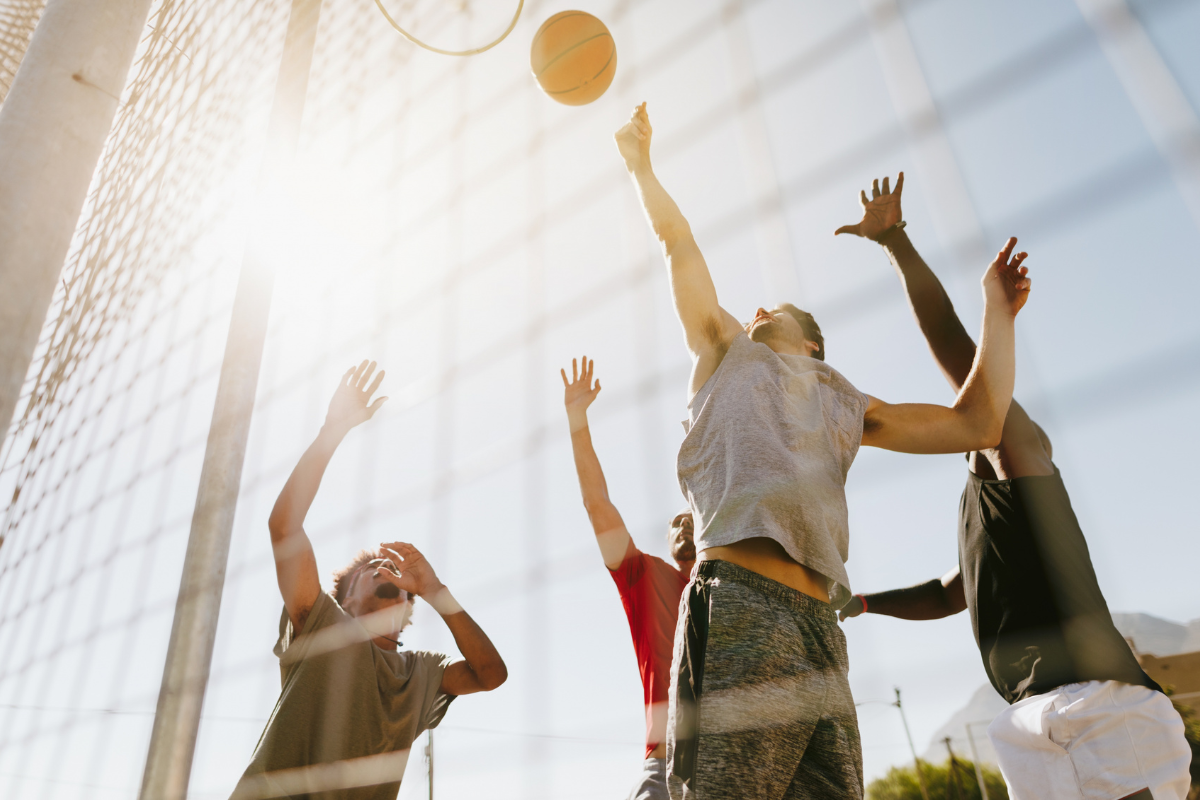
This is a common misconception worth correcting: the hip thrust is often labelled an “exercise just for women” because the images popular on social media focus on aesthetic glute goals.
In reality, the hip thrust is used by many strength athletes, powerlifters and professional footballers to build explosive power and hip strength, which are key to running speed, jumping ability and stability in many sports. Weak glutes in men are also a common cause of lower back pain and reduced performance in squats and deadlifts, so the hip thrust fully deserves a place in the training plans of both men and women.
Tips When Using the Hip Thrust Machine
Do not push your hips too high
Driving your hips beyond the point where your torso and thighs are in line puts unnecessary stress on the lumbar spine and can strain your lower back if repeated many times.
Do not push through your toes
Push through your heels throughout the movement; pushing through your toes reduces glute activation and increases stress on your knees.
Do not increase the weight too quickly
The glutes are a large muscle group but still need time to adapt to new loads; increasing the weight too quickly before you have mastered the technique can easily lead to lower back injury.
The hip thrust machine works best when the hip pad and belt are set up correctly from the start; even small errors can shift the load to the wrong muscles or cause discomfort. The New Gym does not have a Hip Thrust machine, but you can do Hip Thrusts with a barbell or dumbbell in the free weights area. Beginners can sign up for a 7-day free trial to give it a try.

Frequently Asked Questions
Which muscles does the hip thrust machine mainly work?
Mainly the gluteus maximus, with the hamstrings and spinal erectors helping with stability.
Should men do hip thrusts?
Yes. Hip thrusts build explosive power and hip strength and are used by many male athletes and powerlifters, not just for aesthetic purposes.
How is the hip thrust machine different from the glute bridge?
The hip thrust machine has a hip pad and a fixed load, with your shoulders resting on a raised bench; the glute bridge is done with your shoulders on the floor and is simpler for beginners.
References
- The Beginner’s Guide to the Hip Thrust Machine. (2023, November 10). Asphalt Green. https://www.asphaltgreen.org/blog/the-beginners-guide-to-the-hip-thrust-machine/
About The New Gym
The New Gym is a gym chain with 15 clubs in Ho Chi Minh City, Can Tho, Da Nang and Dong Nai. Most clubs are open 24/7, while Can Tho and Bien Hoa are open from 5am to midnight (see opening hours for each club). Memberships start from 299,000 VND/month on the 6-month plan, including 11+ free group classes. Guided by our “Gym for everyone” philosophy, first-time visitors get a 7-day free trial.
📞 Hotline: 1900 63 69 20
📌 Facebook: facebook.com/thenewgymvietnam
💬 Zalo: zalo.me/4267108480570109866


