
Testosterone is a hormone that plays a central role in building muscle, burning fat, recovering and maintaining energy. When this hormone is at an optimal level, your body responds more strongly to training and gets clearer results in less time. The New Gym explains what testosterone is, how it works, the signs of low testosterone and how to optimise it completely naturally.
What Is Testosterone?
Testosterone is a steroid hormone in the androgen group, made mainly from cholesterol. Although it’s usually associated with men, it also exists in women and directly affects movement, metabolism and overall health in both sexes.
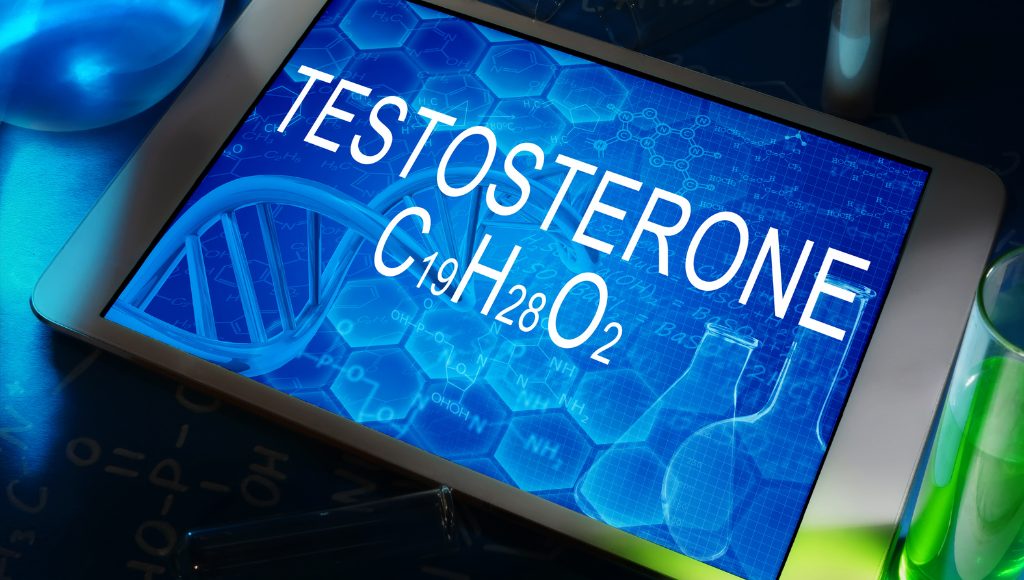
Testosterone production works through the HPG axis (Hypothalamus, Pituitary, Gonadal). The hypothalamus sends a signal to the pituitary gland, which then activates the testes in men or the ovaries and adrenal glands in women to produce the hormone. This whole feedback loop runs continuously and adjusts automatically to your body’s needs.
Testosterone’s effects span many systems:
- Builds muscle and strength
- Increases bone density
- Supports fat burning
- Improves mood and training motivation
- Boosts physical performance and post-workout recovery
What Testosterone Level Is Normal?
A “normal” test result doesn’t mean it’s enough for maximum muscle growth. People who train often need testosterone levels higher than the medical average to perform well.
Common medical testosterone levels
| Group | Normal level | Optimal level for gym-goers |
|---|---|---|
| Nam | 300-1,000 ng/dL | 600-900 ng/dL |
| Women | 15-70 ng/dL | The upper part of the normal range |
Below 400 ng/dL in men, muscle and strength gains drop noticeably even with proper training and diet.
How does testosterone change during the day?
Hormone levels aren’t fixed but fluctuate with the time of day, highest in the morning and gradually falling toward evening. Beyond this daily rhythm, lifestyle affects testosterone even more than age, including sleep quality, stress levels, diet, body fat and training frequency.

What Role Does Testosterone Play in Muscle and Strength?
Testosterone affects muscle and strength through four main mechanisms, each working at a different level of the training process.
Increases muscle protein synthesis (MPS)
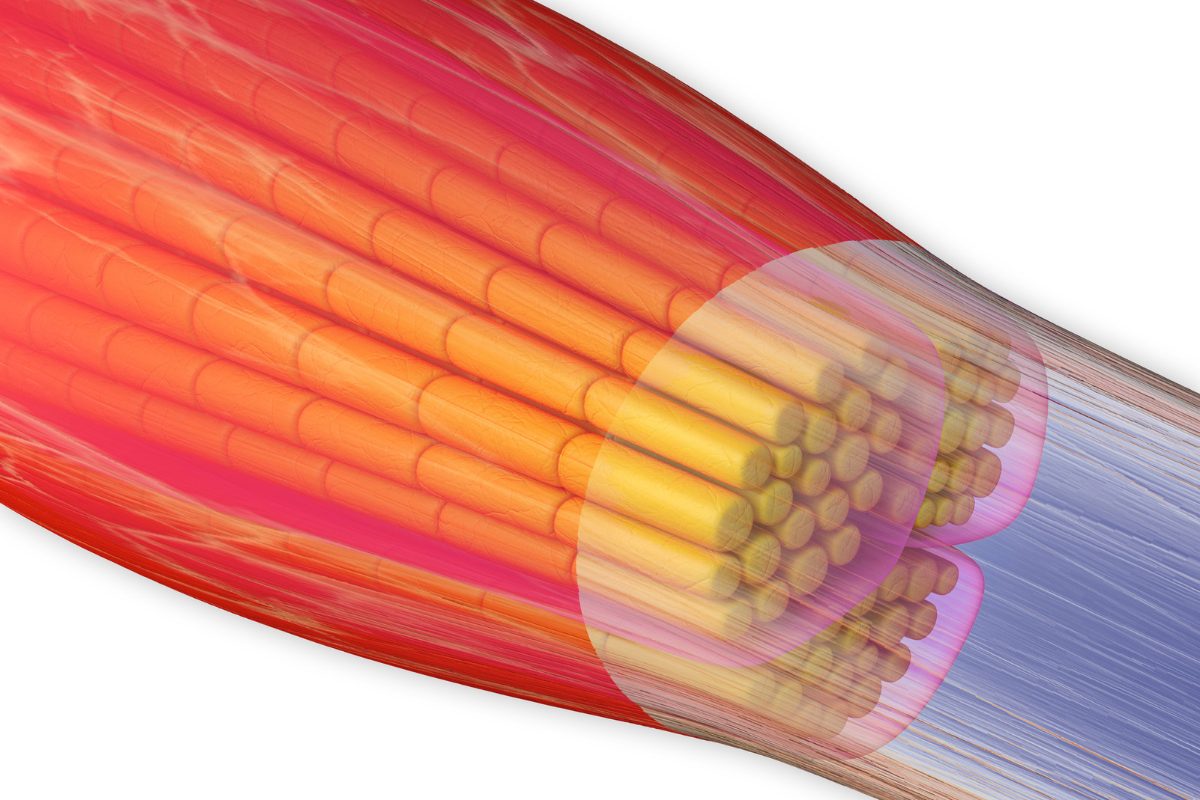
After each hard session, testosterone speeds up protein synthesis from amino acids, helping micro-damaged muscle fibres recover faster and grow thicker. That’s why people with high testosterone often see clearer results even on the same plan as people with lower levels.
Increases androgen receptor density
Testosterone stimulates the production of more androgen receptors in muscle cells. More receptors mean your muscles are more sensitive to the hormone, respond better to each session and take in growth signals more effectively.
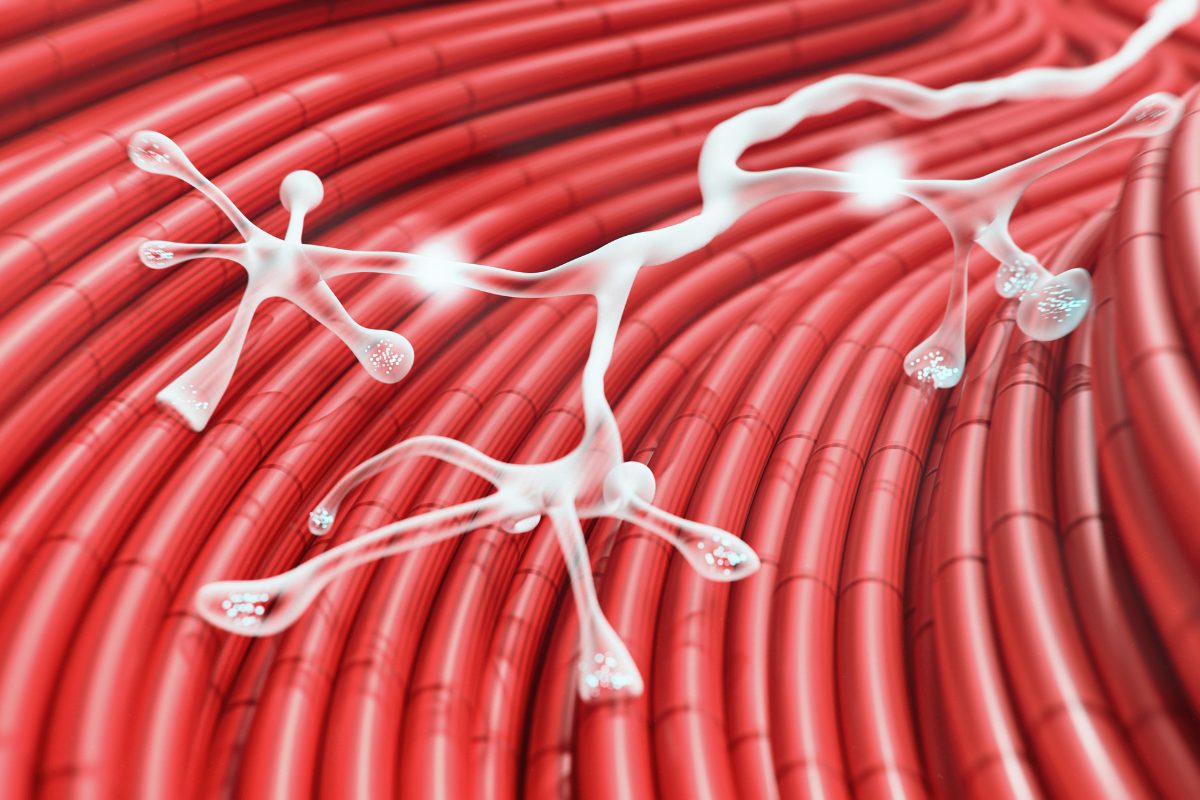
Increases neuromuscular strength
People with high testosterone usually have less muscle soreness, recover sooner and can train more during the week.
Signs of Low Testosterone
In contrast, when testosterone falls, your body quickly shows a decline both physically and mentally. Some signs include:
Physical signs
- Lower strength
- More fat, especially around the belly
- Muscle loss
- Tiring quickly when training

Mental signs
- Lower motivation
- Poor focus
- Low mood
Why does low testosterone make building muscle harder?
Without enough testosterone, your body switches to prioritising energy for basic survival functions instead of muscle growth. Protein synthesis slows, recovery takes longer and training results drop noticeably even if you haven’t changed anything in your training or diet.
Causes of Low Testosterone
Many objective factors affect whether testosterone rises or falls. A drop in male hormones isn’t random but the result of lifestyle, age and daily habits. According to The New Gym, this decline comes from:
Age lowers testosterone
After age 30, men lose about 1-2% of their testosterone each year. This accumulated decline significantly affects strength and the ability to maintain muscle over time, so men over 30 need to pay more attention to sleep, nutrition and training to partly make up for it.
Long-term stress
Chronic stress makes your body produce cortisol constantly. Cortisol and testosterone have an opposing relationship: when cortisol is high, testosterone production is suppressed. That’s why people under long-term stress often struggle to build muscle and gain fat easily.
Lack of sleep
Losing sleep for 3-5 days in a row lowers testosterone by 10-15%. Regularly sleeping under 6 hours a night is like ageing your body 10 years in hormonal terms. Deep sleep is when your body produces the most testosterone in the day.
High visceral fat
Visceral fat contains the enzyme aromatase, which can convert testosterone into estrogen. The more belly fat you have, the more testosterone gets converted, creating a vicious cycle because low testosterone in turn makes fat loss harder.
A nutrient-poor diet
Testosterone is made from cholesterol and needs many supporting micronutrients. A lack of zinc, vitamin D, magnesium or healthy fats can all significantly reduce hormone production, even if you train and sleep enough.
How to Boost Testosterone Naturally
Testosterone can absolutely be improved naturally by adjusting your lifestyle. The five factors below have the most direct and noticeable effect.
Train properly
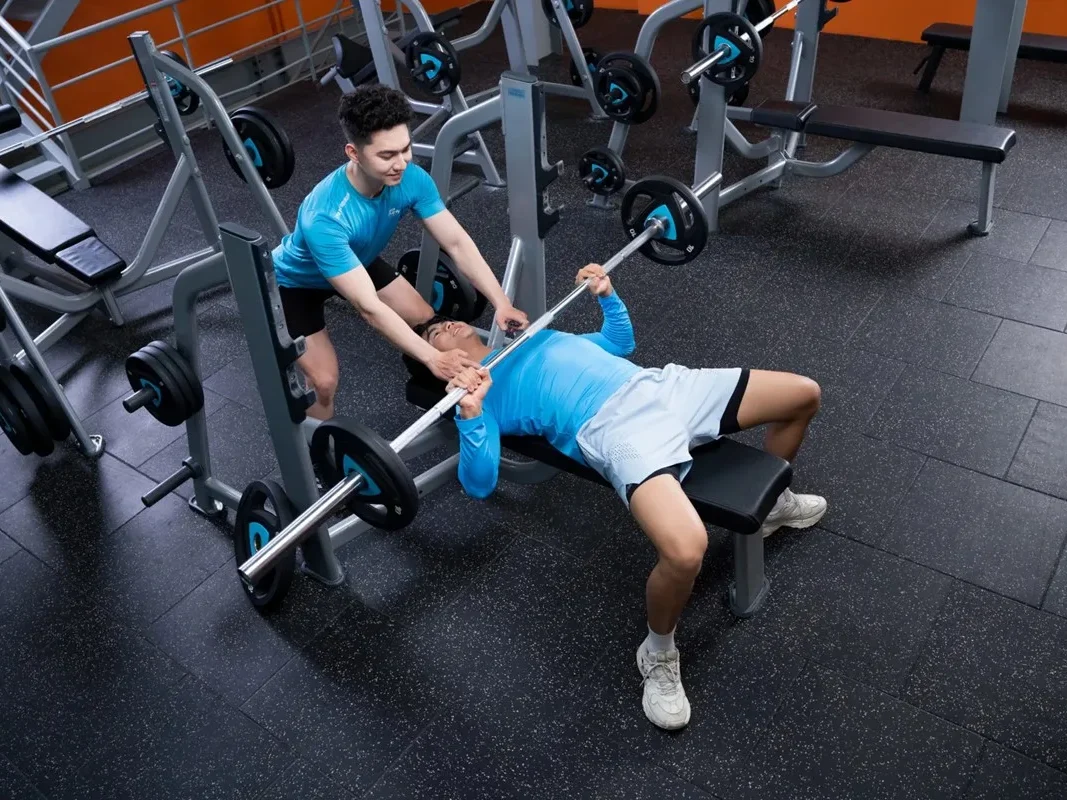
Compound exercises stimulate testosterone the most because they use several large muscle groups at once. Squat, Deadlift and Bench Press are the three core exercises. The New Gym recommends training 3-4 times a week at a moderate intensity and avoiding overtraining, because overtraining actually lowers testosterone rather than raising it.
Get enough micronutrients
Your body can’t make testosterone without the basic raw materials. The three most important micronutrient groups are zinc (from oysters and red meat), vitamin D (from oily fish and morning sunlight) and healthy fats (from olive oil, eggs and nuts). Eating too little fat or cutting calories drastically both reduce hormone production.
Sleep enough and deeply
Sleeping 7-8 hours a night is a basic condition for testosterone to recover fully. Deep sleep is when your body releases the most growth hormone and testosterone, so sleep quality matters as much as the number of hours.
Manage stress
Keeping a stable mindset keeps cortisol low, allowing testosterone to work effectively. 10 minutes of meditation, deep breathing or simply avoiding unnecessary sources of stress all have a real effect.
Reduce visceral fat
Men with around 10-15% body fat usually have the highest testosterone levels. Reducing belly fat not only improves your physique but also directly reduces the aromatase that converts testosterone into estrogen.
Does Testosterone Help You Build Muscle Faster?
The answer is yes, but only if your training foundation is right first. High testosterone speeds up protein synthesis, increases red blood cells, reduces fat and maintains better energy. However, if you still sleep too little, eat poorly and train with bad technique, high testosterone can’t make up for those gaps.
The best way to understand it is that testosterone multiplies the effect of what you’re already doing right. The more solid your foundation, the more clearly testosterone works, not the other way round.
Common Mistakes When Trying to Boost Testosterone
Many people who haven’t properly understood testosterone still want to boost it, and unknowingly do things that lower this male hormone even further. These mistakes usually come from a lack of knowledge, following advertising or taking extreme approaches.
Overusing testosterone boosters
Many “natural testosterone boosting” products on the market are overhyped and don’t actually deliver significant results. Boosting testosterone naturally is a journey of training and improvement; be patient and you’ll raise it naturally and healthily. Avoid testosterone supplementation mistakes by not overusing unscientific boosters.
Overtraining
Many people think training harder and more often will raise testosterone faster. In fact, it’s the complete opposite. To boost testosterone, train smart, not more.
Cutting calories and fat too much
Many people try to lose fat by cutting too many calories, eating too little fat or fasting for long periods. This makes testosterone drop sharply. Your body lacks energy → hormone production falls.
Sleeping too little and too late
Sleeping just 5 hours a night for a week lowers testosterone by 10-15%. Regularly sleeping under 6 hours is like ageing your body 10 years in hormonal terms. This is the most common mistake, because many people train and eat very well but still don’t see results simply because they don’t sleep enough.
Frequently Asked Questions
Should women care about testosterone?
Yes, even though their levels are many times lower than men’s. Testosterone in women affects muscle strength, libido, energy and bone density. Women who train with optimal testosterone usually recover better and keep more muscle during fat loss. If you have signs like chronic tiredness, an unusual drop in strength or difficulty losing fat despite eating and training properly, get your hormones checked by a doctor.
Should you get your testosterone tested, and where?
Get tested if you have 3 or more signs such as lower strength, more belly fat, chronic tiredness and lower motivation. The New Gym recommends testing at reputable hospitals or endocrinology clinics, with blood drawn in the morning between 7 and 10am, when testosterone is highest, for the most accurate result.
Is training in the morning or afternoon better for testosterone?
Testosterone is naturally highest in the morning, so morning training can take advantage of this hormonal peak. However, research shows muscle strength and body temperature peak in the late afternoon, so afternoon sessions often perform better. More important than timing is training consistently and sleeping enough afterwards.
Testosterone doesn’t only matter for athletes or people who want muscle. It’s a foundational hormone that affects energy, mood and recovery in both men and women. Optimising testosterone naturally through enough sleep, enough micronutrients, proper training and stress management is a more sustainable path than any booster on the market.
To optimise your training to support natural testosterone, The New Gym invites you to try 7 days of free training at any of our 15 locations open 24/7 nationwide. The New Gym trainers will advise you on a compound training plan that fits your goals, so you don’t have to figure it out step by step on your own.

🧬Articles on testosterone
A collection of 14 articles about testosterone, ordered by how often they are read.
- Do soy and tofu lower male hormones?
- Low Testosterone: Causes and Natural Fixes
- Does going to the gym cause erectile problems in men? An expert explanation
- High Testosterone: Mistakes and Consequences to Avoid
- 10 Safe and Effective Ways for Men to Boost Testosterone Naturally
- Why Does Zinc Help Men Boost Testosterone?
- How Does Sleep Affect Testosterone?
- How Does Vitamin D Help Boost Testosterone?
- Testosterone Testing: What You Need to Know
- The consequences of testosterone drug abuse and how to recover safely
- Low testosterone caused by cortisol and how to recover
- What is a Testosterone Booster? Should you use one?
About The New Gym
The New Gym is a gym chain with 15 clubs in Ho Chi Minh City, Can Tho, Da Nang and Dong Nai. Most clubs are open 24/7, while Can Tho and Bien Hoa are open from 5am to midnight (see opening hours for each club). Memberships start from 299,000 VND/month on the 6-month plan, including 11+ free group classes. Guided by our “Gym for everyone” philosophy, first-time visitors get a 7-day free trial.
📞 Hotline: 1900 63 69 20
📌 Facebook: facebook.com/thenewgymvietnam
💬 Zalo: zalo.me/4267108480570109866


