Cortisol is a steroid hormone released by the adrenal glands, usually peaking about 30–45 minutes after you wake up and reaching its lowest point around midnight. This hormone rises quickly whenever your body is under pressure, which is why it’s also called the “stress hormone”.
Cortisol is needed to regulate blood sugar, blood pressure and inflammation. Problems only arise when cortisol stays too high or too low for a long time.
This article explains what cortisol is, how it works, how training affects it and how to keep this hormone stable.
What is cortisol and where is it made?
Cortisol belongs to the glucocorticoid group and is produced in the outer layer of the adrenal glands, two small glands that sit on top of the kidneys. The body makes cortisol from Cholesterol.
Almost every cell has receptors for cortisol. So this hormone affects your metabolism, heart, immune system and nervous system all at once.

How does cortisol follow your body clock?
Cortisol is controlled by the hypothalamic-pituitary-adrenal axis (HPA axis):
- When it receives a stress signal, the hypothalamus releases CRH.
- CRH stimulates the pituitary gland to release ACTH.
- ACTH stimulates the adrenal glands to release cortisol.
- When cortisol is high enough, the hypothalamus and pituitary dial down their signals so cortisol doesn’t keep rising.
Cortisol is released on a day-night rhythm: high in the morning, gradually falling during the day and lowest around midnight. Irregular sleep, night shifts or long-term stress can all shift this rhythm.
Cortisol also rises temporarily when you train hard, have a fever or are under pressure, then returns to its baseline once the trigger passes.
What role does cortisol play in the body?
- Keeps blood sugar stable: cortisol stimulates the liver to make glucose from amino acids and makes cells less sensitive to Insulin, so your brain still has energy while you fast overnight.
- Controls inflammation: cortisol dampens inflammatory and immune responses.
- Maintains blood pressure: cortisol helps your blood vessels respond to signals to constrict.
- Supports morning alertness: high cortisol after waking helps your body switch from sleep to wakefulness.
These roles are beneficial when cortisol rises for a short time. When cortisol stays high for a long time, those same effects cause high blood sugar, weaker immunity and muscle breakdown.
Signs your cortisol is too high or too low
Long-term, disease-level high cortisol is called Cushing’s syndrome, usually caused by long-term high-dose corticosteroids or a hormone-secreting tumour. Signs include weight gain in the face and torso, purple stretch marks, high blood pressure, high blood sugar and muscle weakness.
Long-term stress and lack of sleep can push cortisol above normal, though rarely to a disease level. Long-term stress-related high cortisol is linked to sugar cravings, belly fat and poor sleep.

Low cortisol occurs in Addison’s disease or when corticosteroids are stopped suddenly. According to the Mayo Clinic, common signs are lasting tiredness, weight loss, dizziness when standing up and salt cravings.
How does training affect cortisol?
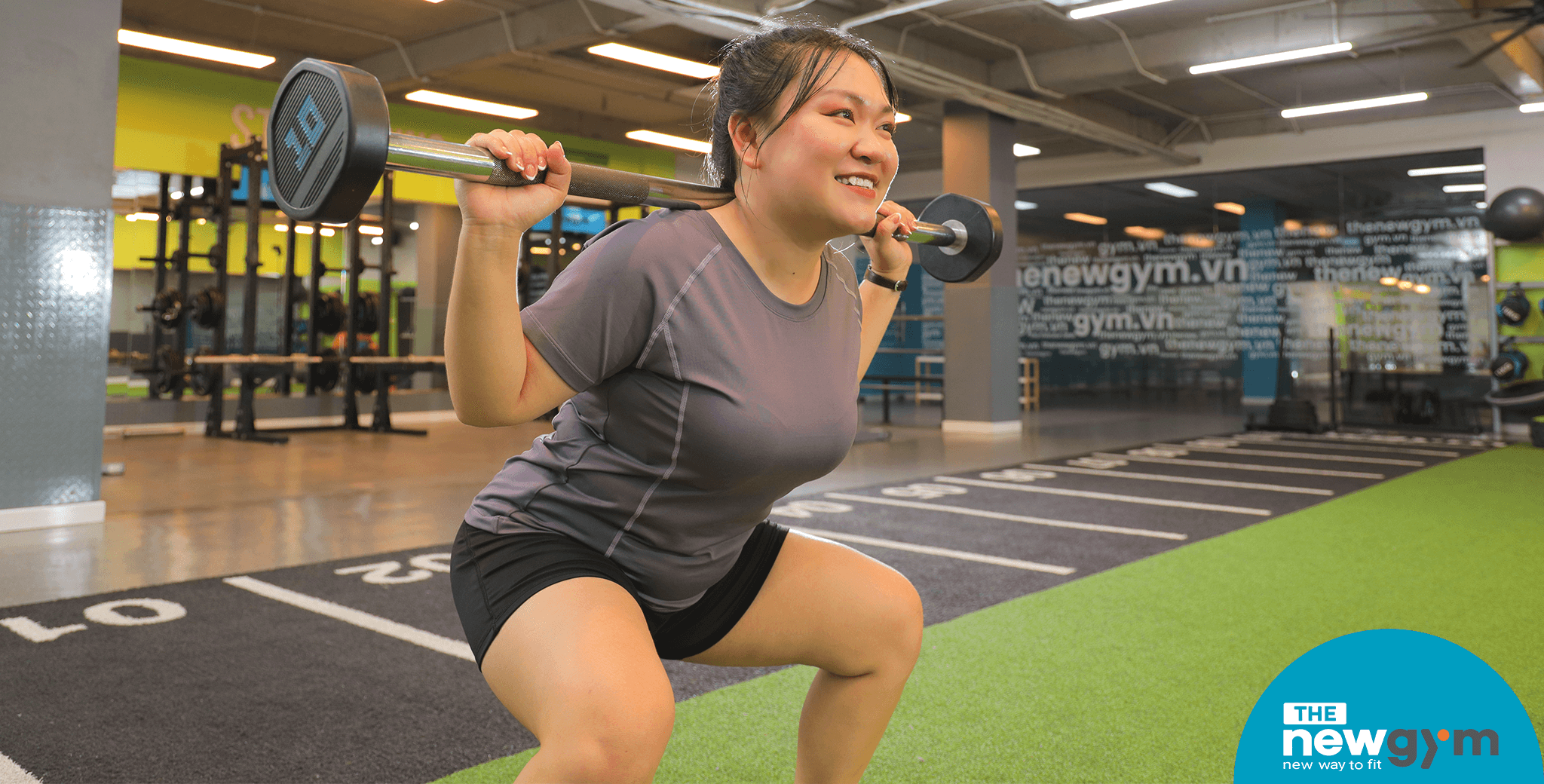
A workout raises cortisol temporarily, more so with high-intensity or long sessions, then it falls back to baseline after a few hours. This is a normal response.
Over the long term, a meta-analysis by Li (2025) in the journal Sports pooled 44 studies of adults under psychological stress. It found that regular training reduced cortisol moderately, with yoga having the biggest effect, while HIIT tended to raise cortisol but not significantly.
According to the same meta-analysis, the training amount that best reduced cortisol was about 530 MET-minutes a week, roughly 150 minutes of brisk walking. The certainty of the evidence ranged from very low to high, so this number is a guide rather than a final conclusion.
When you’re stressed, training at a manageable level consistently keeps cortisol more stable than cramming in lots of high-intensity sessions. Moderate training also boosts endorphins, helping improve your mood.
Constant overtraining while short on sleep and food has the opposite effect: cortisol rises after every session but struggles to return to baseline.
How to keep cortisol balanced every day
Get enough sleep to keep cortisol on rhythm
Going to bed and waking up at the same times and sleeping at least 7 hours a night keeps your day-night cortisol rhythm stable.
A review by Chen in the Endocrine Journal, covering 24 studies, found that blood cortisol rose significantly after a night of lost sleep. When all measurement methods were pooled, the results were less clear because the studies sampled and measured at different times.

Eat regular meals with enough protein to stabilise cortisol
Skipping meals for long stretches makes your body rely more on cortisol to maintain blood sugar, so eat regular meals throughout the day.
To help your meals keep cortisol stable, each meal should include protein from eggs, lean meat, beans or protein-rich fish that also provide Omega-3, plus fruit and vegetables rich in Vitamin C such as oranges and guavas.
You can use these 15 dishes made with high-protein foods to plan your menu.

Keep caffeine moderate so cortisol doesn’t spike too much
Caffeine raises cortisol temporarily, usually less so in regular drinkers.
So caffeine doesn’t disrupt your cortisol rhythm and sleep, keep your total under 400 mg a day, limit it in the late afternoon and count caffeine-containing foods like tea and chocolate.

When should you see a doctor about abnormal cortisol?
See an endocrinologist if you have several lasting signs of high or low cortisol, or have been taking corticosteroids for a long time. Don’t stop corticosteroids suddenly on your own.
According to MedlinePlus, cortisol is tested through blood, urine or saliva. Because cortisol changes with the time of day, a doctor needs to read the results alongside the time the sample was taken.
If you want to keep up a consistent, manageable training habit to keep your daily rhythm stable, The New Gym has more than 11 free group classes and InBody scans to track your body. Sign up for a 7-day free trial today!

Frequently asked questions about cortisol
1. Is feeling tired around 3pm caused by low cortisol?
Not necessarily. Cortisol naturally falls during the day, and the afternoon slump is usually caused by too little sleep, a lunch high in refined carbs or sitting for a long time.
2. Is lower cortisol always better?
No. Cortisol that’s too low causes tiredness and low blood pressure and can be dangerous. What matters is that cortisol rises and falls on its proper day-night rhythm.
3. Does the rise in cortisol after training make you lose muscle?
No. The rise after training is short-term and falls on its own. The risk of muscle loss comes from long-term high cortisol combined with too little protein, too little sleep and overtraining.
Conclusion
Cortisol is an essential hormone that helps your body regulate blood sugar and blood pressure and respond to stress. It’s only harmful when it stays too high or too low for a long time; temporary rises during training or under pressure are normal.
Getting enough regular sleep, eating regular meals, keeping caffeine moderate and training consistently at a manageable intensity are things you can start right away to keep your cortisol stable. If you have several unusual signs that persist, see an endocrinologist instead of guessing.
Sign up to train today: https://join.thenewgym.vn
⚖️Articles on hormones
A collection of 5 articles about hormones, ordered by how often they are read.
About The New Gym
The New Gym is a gym chain with 15 clubs in Ho Chi Minh City, Can Tho, Da Nang and Dong Nai. Most clubs are open 24/7, while Can Tho and Bien Hoa are open from 5am to midnight (see opening hours for each club). Memberships start from 299,000 VND/month on the 6-month plan, including 11+ free group classes. Guided by our “Gym for everyone” philosophy, first-time visitors get a 7-day free trial.
📞 Hotline: 1900 63 69 20
📌 Facebook: facebook.com/thenewgymvietnam
💬 Zalo: zalo.me/4267108480570109866