
The deadlift is an exercise where you lift a barbell from the floor to hip height, working most of the major muscle groups in your body. Done with proper technique and an appropriate weight, the deadlift isn’t bad for your back. The main risks come from poor technique and adding weight too quickly.
Beyond your pulling technique, two small details have a big effect on your deadlift session: how you grip the bar and the shoes you wear. This article walks you through the deadlift step by step, grip types, choosing shoes, popular variations, and when to be careful.
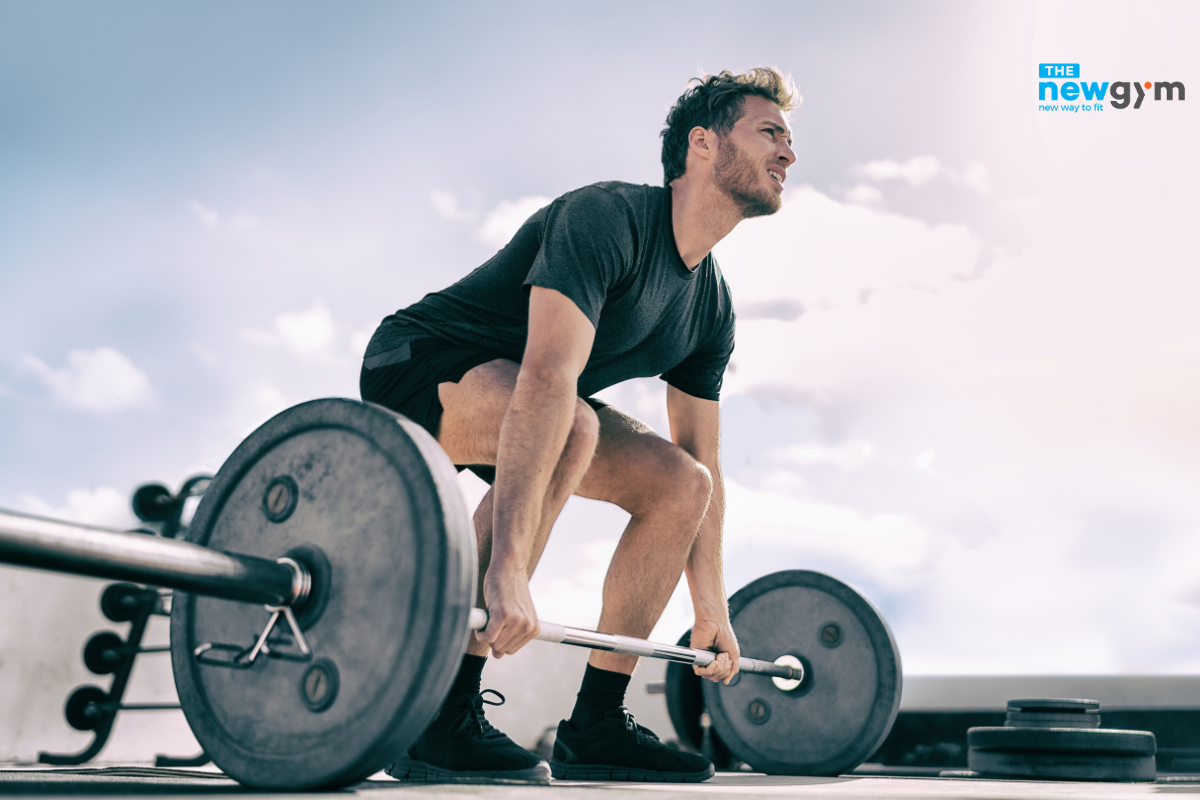
What is the deadlift?
The deadlift is a multi-joint exercise where you pull a barbell from the floor until you’re standing upright. It mainly works the glutes, hamstrings and the spinal erectors in the lower back. The lats, traps, forearms and abs also work to keep the bar close and your torso stable.
It’s one of the foundational strength exercises in the gym, along with the Squat and Bench Press.
Benefits of the deadlift
Full-body strength: A single exercise works your legs, hips, back and grip all at once.
Close to everyday life: Picking up something heavy from the floor, carrying a 20-litre water jug or lifting your child are all deadlift movements.
A stronger posterior chain: The glutes, hamstrings and lower back are often weak in people who sit a lot.
Better grip strength: Holding a heavy bar strengthens your forearms and hands.

How to deadlift with proper technique
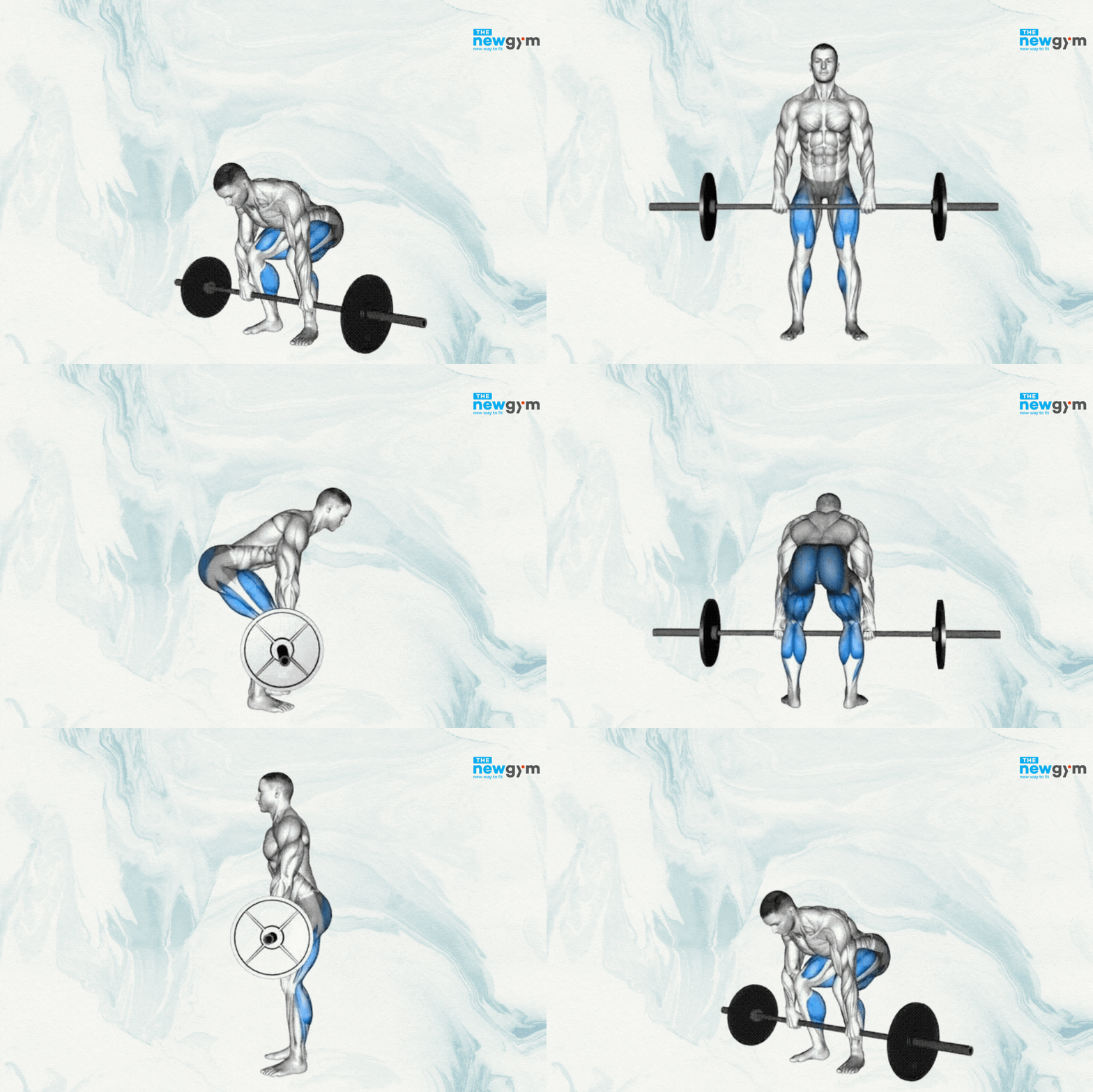
1. Setup: Stand with feet hip-width apart, the bar over the middle of your feet. Hinge at the hips, then bend your knees to grip the bar, hands just outside your shins.
2. Build tension: Lower your hips until your shins lightly touch the bar, chest open, back straight. Pull up gently on the bar until you hear the plates “click”, keeping your whole body tight.
3. Pull: Take a deep breath, brace your abs and push your whole foot into the floor. Your hips and shoulders rise together, with the bar sliding close along your shins and thighs. Once the bar passes your knees, drive your hips forward to stand tall.
4. Lower: Push your hips back first. Only bend your knees once the bar passes them, and lower the bar to the floor under control.
Beginners: 3 sets × 5–8 reps with a light weight, resting 2–3 minutes between sets.
If you’re new and still unsure, The New Gym is running a 7-day free trial. You’re free to try our spacious training areas and wide range of equipment, join free group classes and use every amenity across The New Gym’s 24/7 locations.

Common Deadlift Mistakes
Rounding your back as you pull: The load goes into your spine instead of your muscles. Reduce the weight, and pull tension into the bar before lifting it off the floor.
Hips shooting up before the shoulders: Your lower back takes a heavy load. Let your hips and shoulders rise together.
The bar drifting away from your body: This increases the twisting force on your lower back. Keep the bar close to your legs at all times.
Leaning back at the top: Standing tall is enough; squeeze your glutes without arching your back.
Deadlift grip types
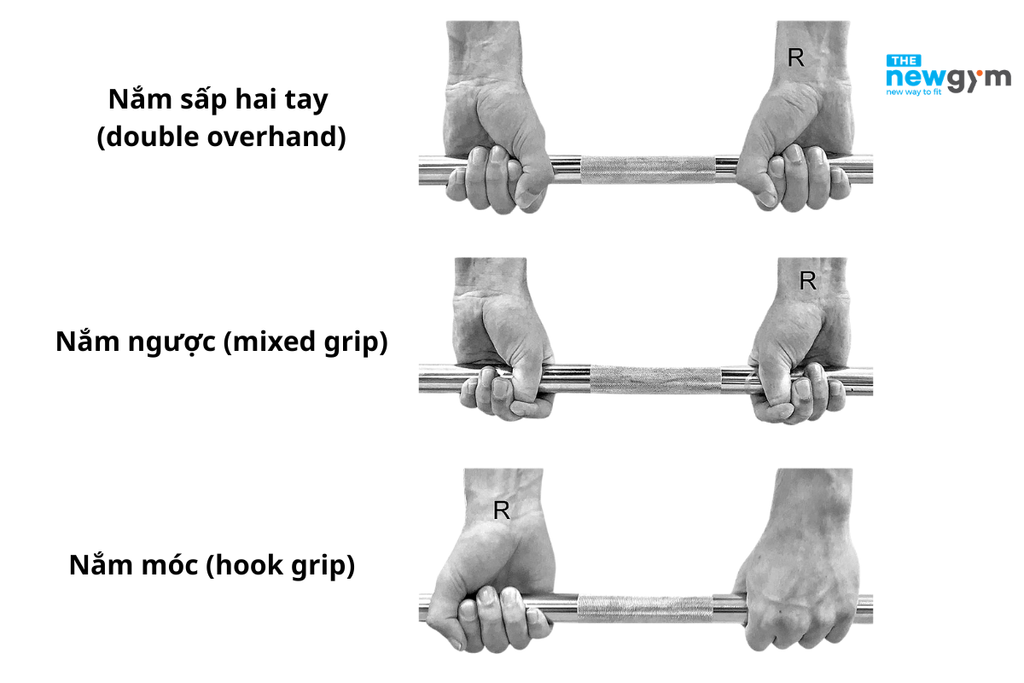
Double overhand grip: Both palms face you. This is the most balanced and safest option for beginners. The downside is that with heavy weights, your grip often gives out before your legs and back tire.
Mixed grip: One hand overhand, one hand underhand. The bar is less likely to roll out of your hands, so you can hold heavier weights. However, it twists your body slightly and puts more stress on the bicep of the underhand side. Switch which hand is underhand after each set.
Hook grip: A double overhand grip with your thumb under the bar, clamped down by your index and middle fingers. It’s secure and balanced, but your thumbs will hurt for the first few weeks.
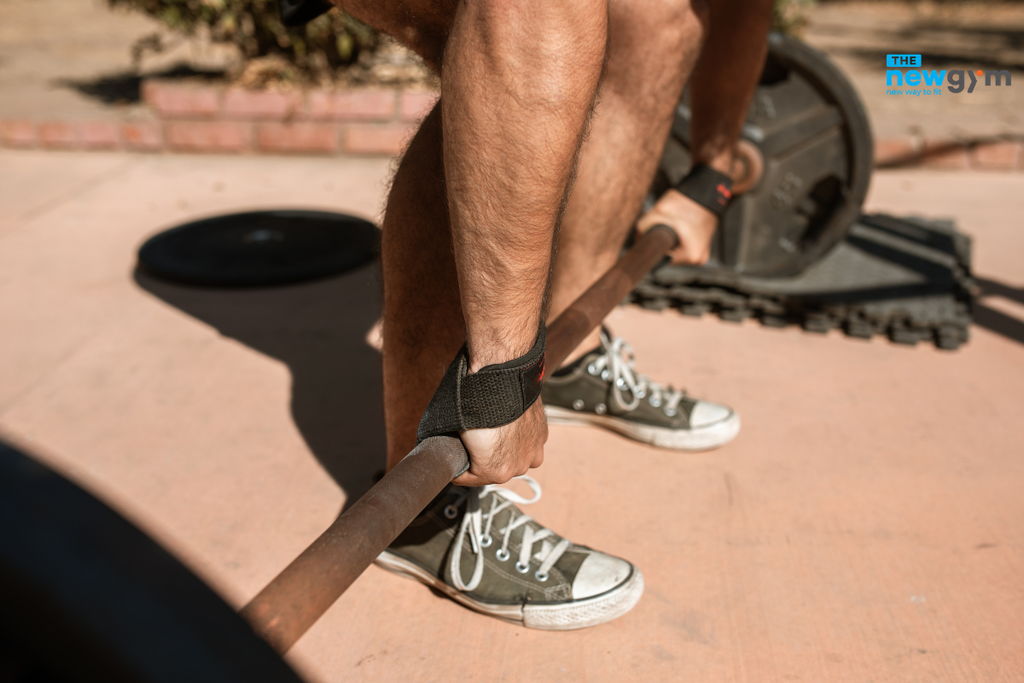
Using lifting straps: Wrap the straps around your wrists and the bar. Useful when you want extra sets for your back and legs but your grip is tired. Don’t use straps on every set, or your grip strength won’t get trained.
General tip: If the bar keeps slipping from sweat, dry your hands, or use chalk if your gym allows it.
How to choose the right deadlift shoes
The best shoes for deadlifting have flat, thin, firm soles.
- Flat sole: The heel and toe are level, keeping your centre of gravity mid-foot and the bar closer to your body.
- Thin sole: The thinner the sole, the shorter the distance the bar travels, and the better your feet can feel the floor.
- Firm, non-compressing sole: A soft sole makes your feet wobble under heavy loads.
- Snug fit, no slipping inside: Helps your feet grip firmly as you drive into the floor.
Suggestion: flat, thin, firm-soled shoes or cross-training shoes are both good for deadlifting.
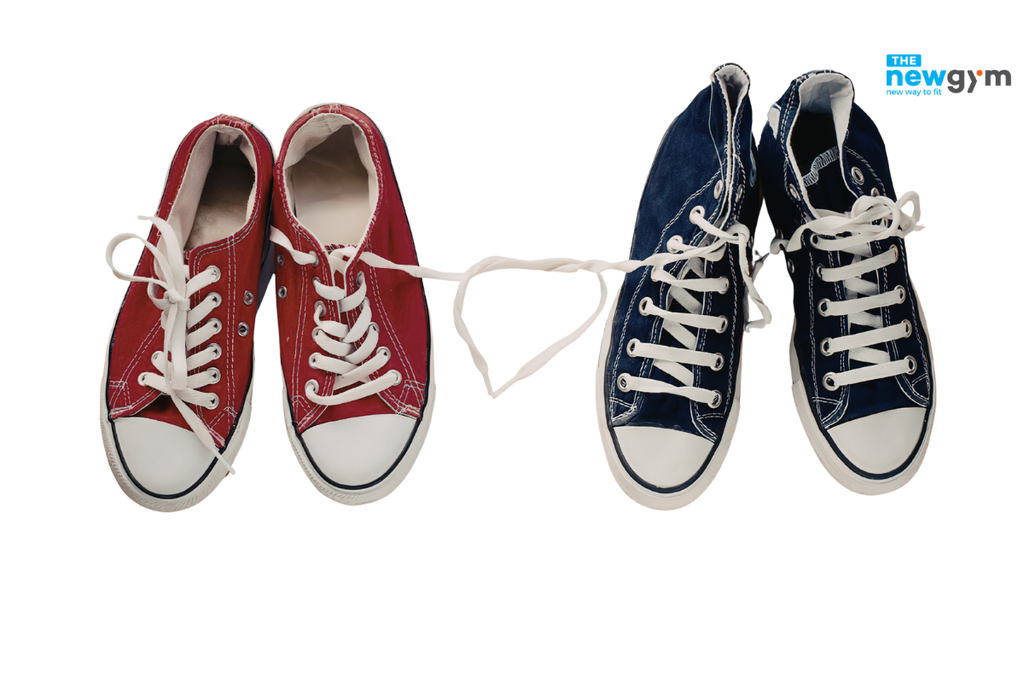
Shoes to avoid:
- Running shoes: Thick, soft soles and raised heels make it hard to stay balanced and easy to tip forward.
- Weightlifting shoes with raised heels: Great for Squats, but they make the deadlift starting position harder.
Beginners don’t need to buy specialist shoes. A pair of flat canvas shoes is enough.
Popular deadlift variations
Conventional Deadlift: The basic variation, feet hip-width apart, pulling the bar from the floor.

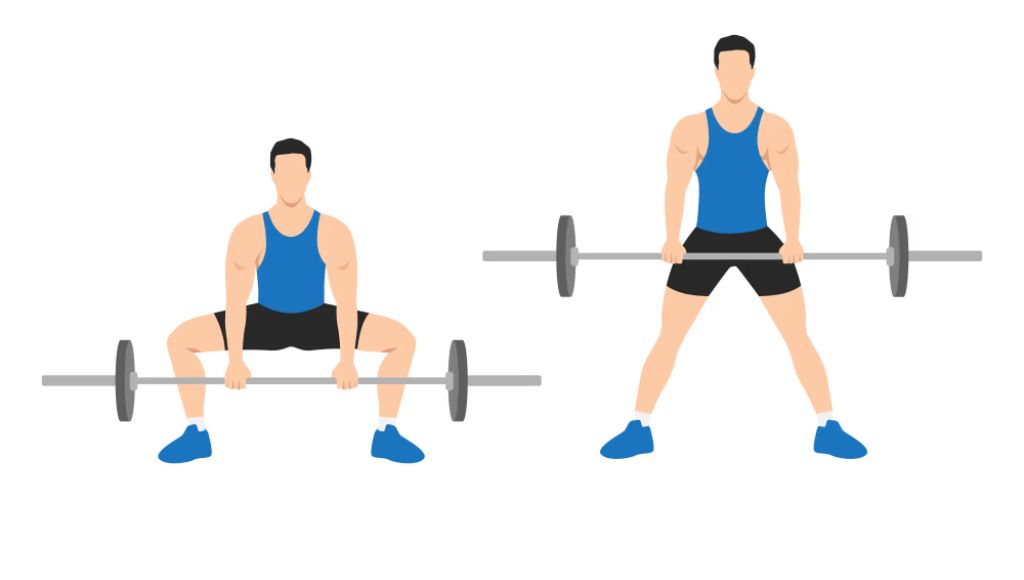
Sumo Deadlift: A wide stance with toes turned out. Your torso is more upright, and your inner thighs and glutes work more.
Trap Bar Deadlift: You stand inside a hexagonal bar, making it easy to keep your back straight; very good for beginners.

Romanian Deadlift (RDL): Starts from standing, the weight doesn’t touch the floor between reps, focusing on the hamstrings and glutes.
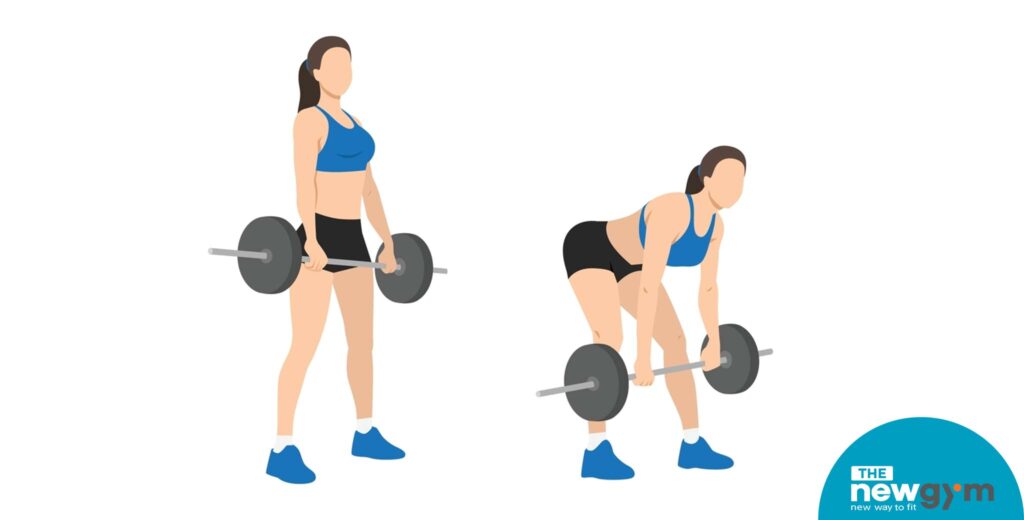
Dumbbell Deadlift: Uses two dumbbells, easy to start with as a beginner or at home.

Stiff Leg Deadlift: Knees almost straight, focusing deeply on the hamstrings.

Single Leg RDL: A hip hinge on one leg, building strength in each leg and training balance.

Can you deadlift with back pain?
You can, but not everyone should.
According to NIAMS (US National Institutes of Health), back pain is more common in inactive people, when weak back and ab muscles don’t support the spine well. NIAMS also advises seeing a doctor when back pain comes with leg numbness or weakness, fever, or pain that gets worse when lifting and bending.
For people with mild back pain who are past the acute stage and have reasonably strong back muscles, deadlifting with proper technique can make the back stronger and less painful. But if the pain is still severe, or the back muscles are very weak, deadlifts can easily make things worse.
So if you’re in acute pain, don’t know what’s causing it, have a history of disc herniation or uncontrolled high blood pressure, see a doctor or physiotherapist before training. Once cleared, start with the Romanian Deadlift or Trap Bar Deadlift at a light weight, with someone coaching your technique.
Stop immediately if you feel sharp back pain, pain spreading to your buttocks or legs, or numbness in your feet. A dull muscle ache for 1–2 days after training is normal.
FAQ
Should beginners deadlift?
Yes. Start with dumbbells, a Trap Bar or a barbell with light plates, and ask a trainer to watch you for the first few sessions. If you’re not used to hip hinge exercises yet, practise the Romanian Deadlift with dumbbells first.
Is the deadlift bad for your back?
No, if you use proper technique and add weight gradually. Most injuries come from rounding the back while pulling, or lifting more than you can handle.
How many times a week should you deadlift?
1–2 sessions a week is enough for most people. The WHO recommends muscle-strengthening activity at least two days a week, and the deadlift can be the main exercise in one of those sessions.
Should you deadlift before or after squats?
Do whichever exercise you’re prioritising first, while you’re freshest. Many programs put the two on different days so your lower back has time to recover.
Do you need a lifting belt for deadlifts?
Not at light and moderate weights. A belt only helps when you’re close to your max. Beginners should learn to brace their abs first, because a belt can’t replace technique.
Should you deadlift barefoot?
Going barefoot puts your feet closest to the floor, but many gyms don’t allow it for hygiene and safety reasons. Flat canvas shoes or thin-soled deadlift shoes are a good alternative.
How much should a beginner deadlift?
There’s no single number. Choose a weight you can pull for 8 reps with a straight back, then add small increments each week.
What to remember for safe deadlifting
The deadlift is a foundational strength exercise that works almost the entire back of your body. To train safely, keep your back straight and the bar close, start with a double overhand grip, wear flat, thin-soled shoes and add weight slowly. If you have back pain, see a doctor before you start. To warm up your posterior chain, you can add Kettlebell Swings or Glute Bridges.
🏋️♀️Articles on the Deadlift
A collection of 8 articles about the Deadlift, ordered by how often they are read.
- A Guide to Romanian Deadlift (RDL) Technique
- What are gym straps? When to use them for lifting
- Dumbbell Romanian Deadlift: how to do it to target your glutes and thighs
- What Is the Conventional Deadlift? Technique and Comparison with Sumo and RDL
- What Is the Dumbbell Deadlift? Proper Technique for Beginners
- What Is the Single Leg Romanian Deadlift? How to Do It Without Losing Balance
- What Is the Stiff Leg Deadlift? Proper Technique and Comparison with the RDL
- What is the Sumo deadlift? Technique, muscles worked and mistakes to avoid
About The New Gym
The New Gym is a gym chain with 15 clubs in Ho Chi Minh City, Can Tho, Da Nang and Dong Nai. Most clubs are open 24/7, while Can Tho and Bien Hoa are open from 5am to midnight (see opening hours for each club). Memberships start from 299,000 VND/month on the 6-month plan, including 11+ free group classes. Guided by our “Gym for everyone” philosophy, first-time visitors get a 7-day free trial.
📞 Hotline: 1900 63 69 20
📌 Facebook: facebook.com/thenewgymvietnam
💬 Zalo: zalo.me/4267108480570109866


