In the fitness community, powders, tablets and support products are always a hot topic. However, amid a “jungle” of advertising, understanding what supplements are and how to use them safely is extremely important.
Let The New Gym break down what these products really are so you can make the smartest choice for your health.
What Are Supplements?
To avoid confusing them with medicine, you need a clear definition of supplements. They’re products made as capsules, tablets, powders or liquids, containing nutrients meant to supplement your daily diet.
According to the U.S. Food and Drug Administration (FDA), supplements can include vitamins, minerals, herbs, amino acids or enzymes. They “fill in” nutritional gaps that natural meals don’t fully cover, especially for people training at high intensity at The New Gym.
The Pros and Cons of the Top Supplements
In the fitness world, gym supplements are divided into several groups by purpose. Here’s a breakdown to help you tell them apart:
| Product group | Main use | Supplement examples |
| Muscle support | Provides lean protein and helps muscle tissue recover after training. | Whey Protein, Casein, BCAA, Creatine. |
| Strength boosting | Boosts performance and reduces fatigue during your session. | Pre-workout, Beta-Alanine, Caffeine. |
| Overall health | Fills micronutrient gaps and supports your immune system. | Multivitamins, Fish oil (Omega-3). |
| Joint support | Often advertised to support joints, but the evidence is limited. | Glucosamine, Chondroitin, Collagen. |
The Benefits of Strength and Recovery Supplements
Many members ask whether they should use strength-boosting supplements (Pre-workout).
- Optimising your workout: Ingredients like Creatine have been shown to boost ATP energy production. Creatine is one of the most effective supplements for increasing strength and lean muscle mass.
- Supporting recovery: Protein powder makes it easier to get enough protein in a day for muscle recovery after training. However, protein won’t make muscle soreness (DOMS) go away immediately.
The Truth About Multivitamins
Multivitamins are often called “nutritional insurance”. For people with a varied diet, multivitamins are usually unnecessary. They’re more useful for people on strict diets, long-term vegetarians or those advised by a doctor. Vitamin D and the two minerals magnesium and zinc take part in many body functions, including natural hormone activity in men. A lack of these can affect your health and training.
See also: Top 12 Foods That Naturally Boost Testosterone in Men
Whey is a fast-absorbing, convenient protein source, but it’s not required if your daily meals already provide enough protein.
1. Protein Powders
Pros: Protein powder is an extremely convenient way to add protein to your diet, especially if you struggle to hit your daily protein target or are very busy. A whey protein shake after a rushed workout is definitely better than skipping a meal.
Cons: They’re not a rich source of other vitamins and minerals. So it’s better to get your protein from natural foods like meat, fish, eggs and tofu, which also bring other nutritional benefits.
See also: 15 Super-Cheap High-Protein Dishes for Gym-Goers
See also: Whey Protein: Essential or Just Convenient?
2. Carbohydrate Powders
Pros: Carb powders are great for delaying fatigue and can help improve performance over time, especially for long-distance runners or people who struggle to gain weight.
Cons: However, they don’t provide fibre and won’t fill you up like food.
3. Carbohydrate Drinks
Pros: These drinks differ from powders because they’re ready-made and easy to get hold of, usually containing small amounts of electrolytes.
Cons: However, most people don’t train hard enough to really need high-carb drinks, so they can be a waste of money.
4. Electrolytes
Pros: Dissolved in water, these powders help maintain fluid balance during and after training, preventing dehydration and cramps.
In Vietnam’s hot, humid climate, the electrolytes lost through sweat are significant. This is a genuinely useful supplement for anyone who trains at high intensity or plays sport outdoors. Make sure the product contains Potassium, Calcium, Sodium and Magnesium.
Cons: Taking too much can upset your stomach (especially high-dose magnesium), so it’s important to drink plenty of plain water alongside them.
See also: How to Rehydrate and Replace Electrolytes Properly: Boost Performance and Prevent Overheating
5. Fatty Acids (Omegas)
Pros: Research shows these supplements may help reduce inflammation, lower cholesterol and improve brain health.
You can absolutely get Omega-3 naturally from oily fish like salmon, mackerel, herring and sardines.
Cons: High doses can interact negatively with some other medications.
6. Vitamin D
Pros: Vitamin D is needed for bone health and the immune system.
Even though Vietnam is a tropical country, vitamin D deficiency is still quite common, especially in people who work indoors, get little sun or cover up carefully when outside. So it’s a supplement well worth considering.
Cons: Vitamin D is fat-soluble, so it can build up if you take high doses for a long time. Get tested and ask a doctor before taking high doses.
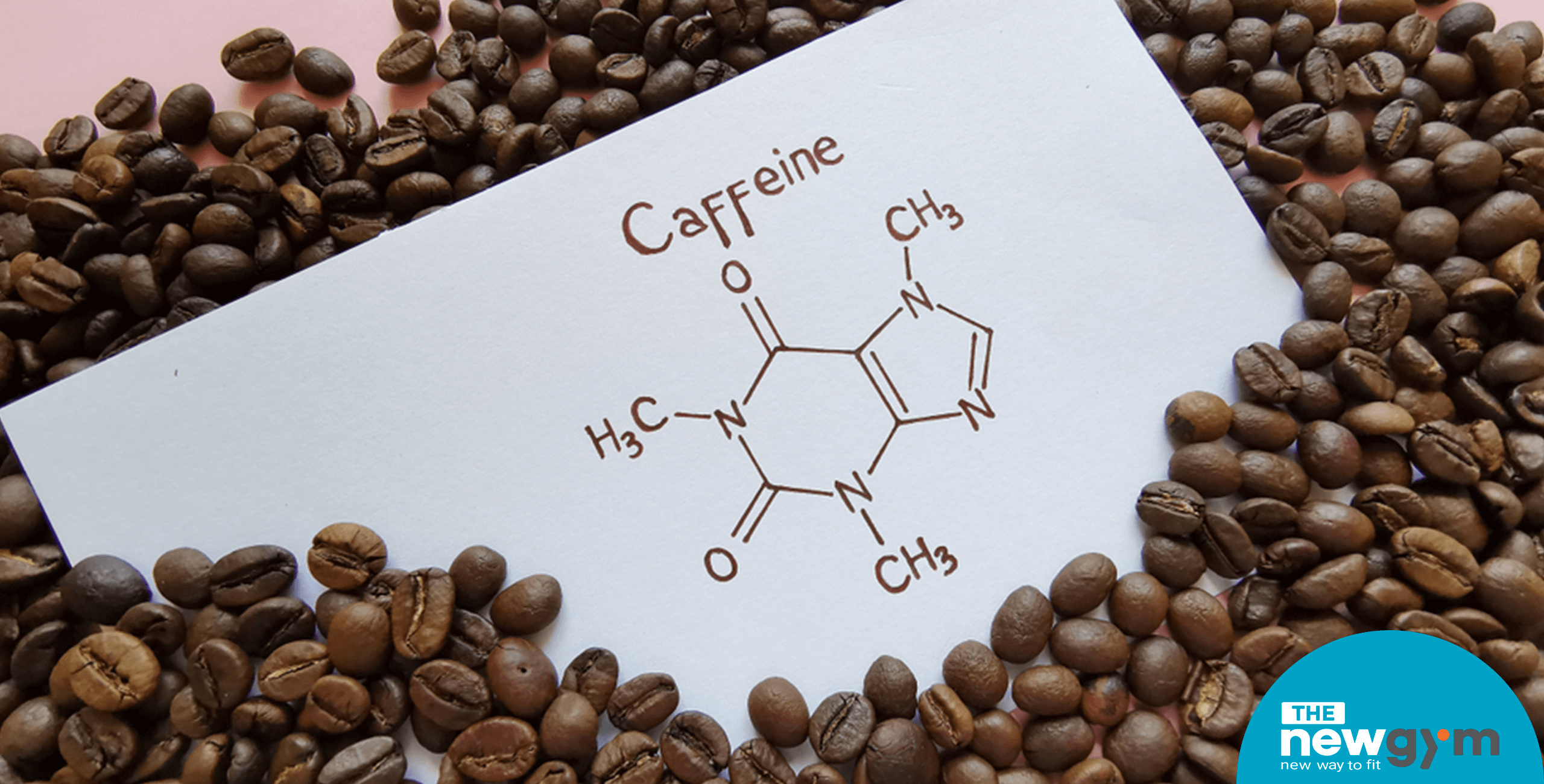
7. Caffeine
Pros: An iced black coffee before training is a very common habit. Caffeine can help you stay alert and improve training performance.
Cons: It can disrupt your sleep if taken late in the day. Healthy adults shouldn’t have more than about 400mg of caffeine a day; regular use also builds tolerance and reduces its effect.
See also: Coffee: Fuel or Enemy for Your Workout?
8. Creatine
Pros: This is one of the most researched and most effective supplements. It has been shown to help increase maximum strength, improve sprint performance and increase your ability to repeat maximal efforts.
Cons: It’s not unusual to gain 1-2kg in the first few weeks of use, but most of this is water held in your muscles, not fat.
The usual dose is 3–5 g a day, taken consistently, with no need for a loading phase (ISSN).
9. Magie (Magnesium)
Pros: Magnesium deficiency is linked to muscle weakness, nausea, unwanted weight loss, poor sleep and cramps. Supplementing can help counter these symptoms.
Cons: Taking too much can cause side effects.
10. Beta Alanine
Pros: Lets you train harder for longer in short, high-intensity bursts of 60 to 240 seconds.
Cons: The only known side effect is a tingling or prickling feeling on the skin, which is harmless but can be uncomfortable.
To Supplement or Not?
We hope this information helps you decide whether you need or want to add any supplements to your diet. Think of them as support tools, not miracles. If you decide to add any supplements, we recommend adding one at a time so you can track their effects more clearly.
Despite their benefits, stay alert to the following myths:
- They can’t replace natural food: The name says it all: they’re only “supplements”. A diet of meat, fish, eggs and vegetables is still the most important foundation.
- Risk of overdose: According to the Mayo Clinic, overusing fat-soluble vitamins (like A, D, E and K) can cause them to build up in the body and become toxic.
- Product quality: Favour brands with third-party testing certification (like NSF or Informed-Choice) to make sure they contain no banned substances.
Understanding what supplements are helps you build a science-based, safe nutrition plan. They’re powerful support tools that can shorten your path to your ideal physique, but they’re never a substitute for hard training and healthy eating.
At The New Gym, with a civilised space open 24/7, we always encourage members to smartly combine “training” and “fuelling”.
Sign up to train today: https://join.thenewgym.vn
Who Should Be Careful with Supplements?
Ask a doctor before taking supplements if you:
- Have kidney disease, liver disease, heart disease or high blood pressure.
- Are pregnant or breastfeeding.
- Are taking medication, because some substances like high-dose omega-3 can interact with medicines.
- Are under 18.
When buying, favour products with third-party testing labels like NSF Certified for Sport or Informed Choice. Don’t exceed the dose on the label.
Frequently Asked Questions
Do gym beginners need supplements?
No. Eating well, sleeping enough and training consistently matter more. Supplements only add convenience when your meals fall short.
Is creatine bad for your kidneys?
In healthy people taking the correct dose, studies haven’t found harm to the kidneys. People with existing kidney disease should ask a doctor before using it.
Which should you choose first?
If needed, whey (for protein) and creatine have the most evidence. Others should be considered based on specific needs.
🥤Articles on supplements
A collection of 20 articles about supplements, ordered by how often they are read.
- Whey Protein: Essential or Just Convenient?
- Beta-alanine and the tingling feeling when training
- What is beta-alanine? Benefits and effects
- Energy Gels: A Runner’s ‘Weapon’ or Just “Sugar”?
- What Is a Mass Gainer? How to Use It Properly to Build Muscle Effectively
- Should you use fat burners to lose weight?
- A Quick Guide to Casein: Benefits, Types and How to Use It Effectively
- Testosterone and Steroids: The Link You Need to Know
- A Deep Dive into Creatine: All the Myths and Facts for Gym-Goers
- How gym-goers should use probiotics
- How Are Electrolyte Drinks Different from Water? Which Is Best for Gym-Goers?
- What Are Electrolytes? Why Replacing Electrolytes Matters for Gym-Goers
See 8 more articles ▾
- What Is a Protein Bar? An Honest Review and How Gym-Goers Should Choose
- What Is Pre Workout? Effects, Ingredients and How to Use It Properly
- What Is BCAA? 5 Great Health Benefits of BCAA
- Stop supplementing immediately if you notice these 9 omega 3 side effects
- The Best Electrolyte Supplements for Gym-Goers
- Is Drinking Pocari Sweat Good for You? Uses and Tips for Gym-Goers
- What Are BCAA and EAA? Comparing Their Effects on Muscle Growth, Recovery and Proper Use
- Creatine Monohydrate vs Creatine HCL
About The New Gym
The New Gym is a gym chain with 15 clubs in Ho Chi Minh City, Can Tho, Da Nang and Dong Nai. Most clubs are open 24/7, while Can Tho and Bien Hoa are open from 5am to midnight (see opening hours for each club). Memberships start from 299,000 VND/month on the 6-month plan, including 11+ free group classes. Guided by our “Gym for everyone” philosophy, first-time visitors get a 7-day free trial.
📞 Hotline: 1900 63 69 20
📌 Facebook: facebook.com/thenewgymvietnam
💬 Zalo: zalo.me/4267108480570109866