
Football is undoubtedly the king of sports. From fiery matches on TV to weekend kickabouts on 7-a-side pitches, the passion for the beautiful game never fades. Everyone wants thunderous long-range shots, blistering bursts of speed and the ability to win one-on-one battles against anyone.
Of course, technical skill is essential, but it doesn’t mean much if you find yourself gasping for breath just 10 minutes into the match. For any football fan looking to improve their performance, supplementary gym training is the “secret weapon”. Below are 5 key exercises every player should add to their routine.
What Does Improving Football Fitness Involve?
Improving football fitness means training 4 core qualities together: aerobic endurance, explosive power, speed and agility. It’s not just about running more but a scientific combination of cardio, resistance training, plyometrics and football-specific exercises.
A good player needs to develop 4 core qualities evenly:
- Aerobic endurance: Lets you keep up your intensity for 90 minutes without “running out of gas” late in the match.
- Anaerobic endurance: Supports explosive bursts of speed and quick recovery between sprints.
- Explosive power: Generates force for shooting, jumping for headers and accelerating off the mark.
- Speed and agility: Changing direction quickly, dodging opponents and reacting to situations.
To build sport-specific speed and endurance, see 9 exercises to build endurance and speed for sports.
Why Do Footballers Need Supplementary Gym Training?
Running and playing football alone aren’t enough to fully improve your fitness. Supplementary gym training builds a foundation of strength and endurance that on-pitch training can’t, while reducing the risk of injury, the most serious problem for players.
Supplementary Gym Training for Any Sport
Whether you play football, basketball, badminton or run, supplementary gym training revolves around 4 qualities: strength (squats, deadlifts), power and speed (jumps, sprints), endurance (cardio, HIIT) and balance and stability (single-leg work, core).
Sports with lots of running should prioritise endurance and legs; sports with lots of jumping should prioritise power. This article uses football as the example, but the principles of frequency, recovery and avoiding heavy training close to match day apply to most sports.
Benefits of Gym Training for Football Fitness
Regular gym training doesn’t just help you play better; it also brings many long-term health benefits. The New Gym has summarised the core benefits to keep you motivated.
More Explosive Power and Acceleration
Strength training (Squats, Deadlifts) improves your acceleration over the first few steps, the most important distance in football. That’s why professional clubs usually have their own gym programs for players.
You can also see our guide to training like a Premier League player to understand in depth how professional clubs build fitness.
Better Endurance for the Whole Match
Combining HIIT and steady-state cardio stops you from gasping late in the match. Your heart and lungs are trained in varied ways, so you can keep up high intensity for all 90 minutes instead of going hard for 30 minutes and then fading.
See also sprint exercises to boost your acceleration in decisive moments.
Lower Risk of Common Injuries
Players often get knee, hamstring and ankle injuries, and poor fitness is one of the factors that increases the risk. Supplementary gym training strengthens the muscles that stabilise your joints and improves balance, which may help reduce the risk of injury in collisions or sprints.
Faster Recovery After Matches
A body with a good fitness base recovers faster after a match. This is an important benefit for people playing 2-3 matches a week, letting you play regularly without lingering soreness between games.
1. HIIT Sprints on an Exercise Bike
A football match alternates between walking, jogging and explosive bursts of speed. High-intensity interval training (HIIT) trains your body’s anaerobic energy system so you’re ready for those sprints. Doing HIIT on a bike has one big advantage: less impact on your knees and ankles than running on a treadmill or grass, so you can train more often with less joint wear.
How to do it:
Aim for about 7-10 rounds, each with a 30-second “sprint” (pedalling as fast and hard as you can), followed by 90 seconds of slow pedalling to recover.

2. Barbell Front Squat
The Squat is often called the “king of exercises”. For football, the Front Squat brings even more benefits.
First, it puts more emphasis on the quadriceps, the main muscles used when you strike the ball.
Second, to hold the bar in front, your core has to brace extremely hard, building a solid midsection and improving your balance when shooting or contesting the ball.
3. Plank
The Plank is a “golden” core exercise. A strong core is the foundation for every turn and change of direction, helping you hold your ground when shielding and reducing the risk of lower back pain.
Don’t just hold a regular plank; try variations like the side plank to work your obliques, adding power to your shots and passes.
4. Treadmill Running (Steady-State Cardio)
Many people think HIIT can completely replace traditional cardio. But the truth is, a 90-minute football match demands an extremely good aerobic endurance base. Running at a steady pace on the treadmill for 30-60 minutes is essential to build a durable “engine” so you don’t “run out of gas” in the final minutes.
Think of HIIT as training your car’s acceleration, while steady-state cardio improves the size of the fuel tank and fuel efficiency. You need both to win.
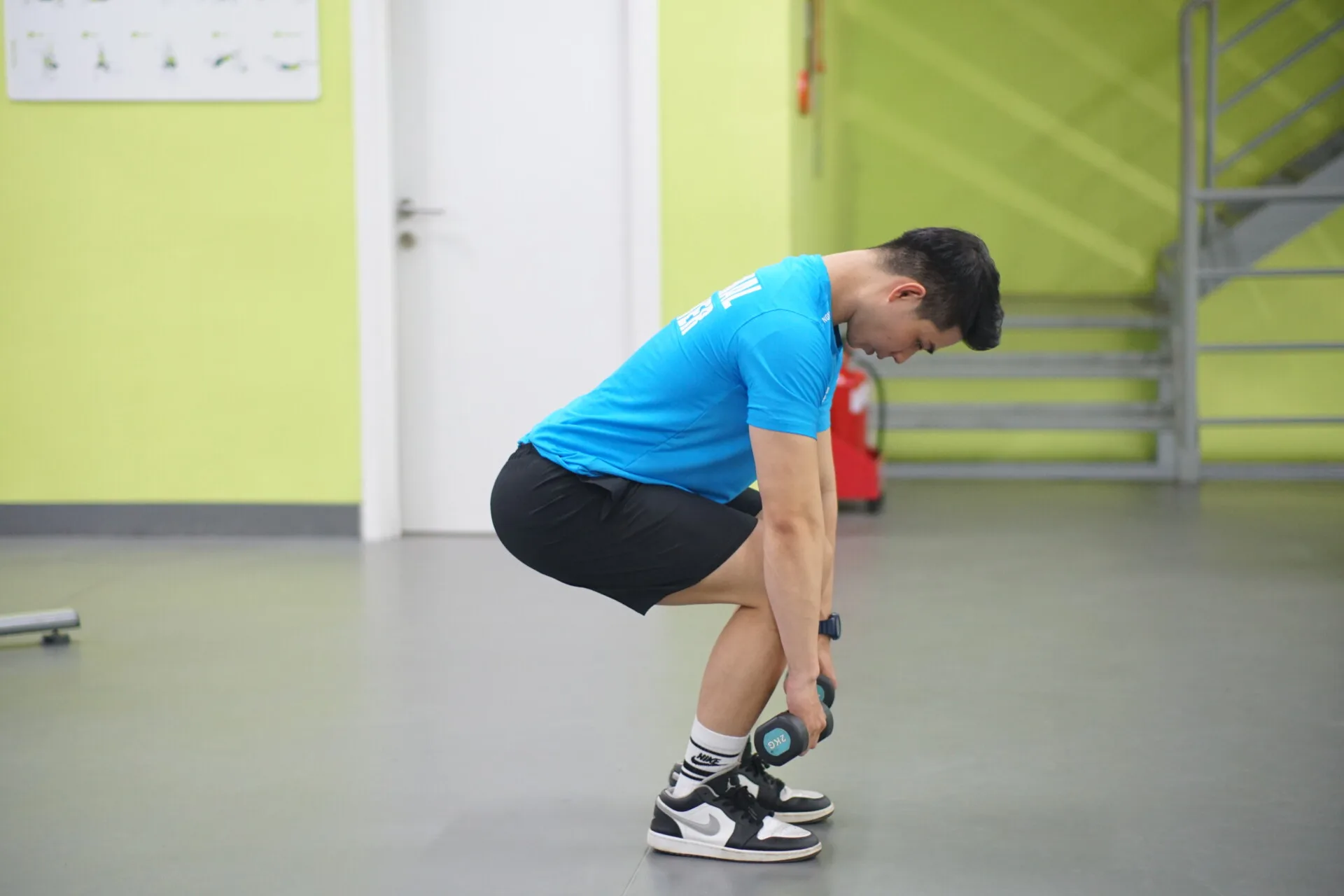
5. Barbell or Hex-bar Deadlift
The Deadlift is essential for any athlete who wants more explosive power. It trains the entire ‘posterior chain’, including the hamstrings, glutes and the whole back. This is the real “engine” for explosive movements like jumping for headers, sprinting and striking the ball powerfully.
When deadlifting, always remember “form over ego” (technique matters more than the weight). Proper technique makes you stronger and helps you avoid unnecessary back injuries.
Other Equally Important Supplementary Exercises
- Plyometric exercises: Explosive exercises like Box Jumps and Broad Jumps improve your power and acceleration over the first few steps.
- Rotational exercises: Exercises like Russian Twists and Wood Chops with a medicine ball or cable strengthen the rotation used in shooting and passing.
- Single-leg balance exercises: Exercises like the Pistol Squat and single-leg Deadlift improve stability, which is crucial for your standing leg when shooting.
5 Common Gym Training Mistakes for Football
The New Gym sees many amateur players train hard at the gym without clearly improving their fitness on the pitch. Let’s go through the 5 most common mistakes when training at the gym for football.
Only Doing Cardio and Skipping Strength
This is the most common mistake among amateur players: thinking “football needs endurance, so running is all I need”. But a lack of strength means you can’t shoot from distance and are more prone to injury in collisions.
- How to fix it: Balance cardio with resistance training (Squats, Deadlifts). Strength is the foundation for every explosive action.
Training Too Heavy Before a Match
Many people train heavy at the gym right before a match and end up with tired legs and a poor game. Muscles need 48 hours to recover after a heavy session, so you’re “burning” fitness instead of building it.
- How to fix it: Keep heavy gym sessions at least 48-72 hours before a match, and train lightly or rest the day before.
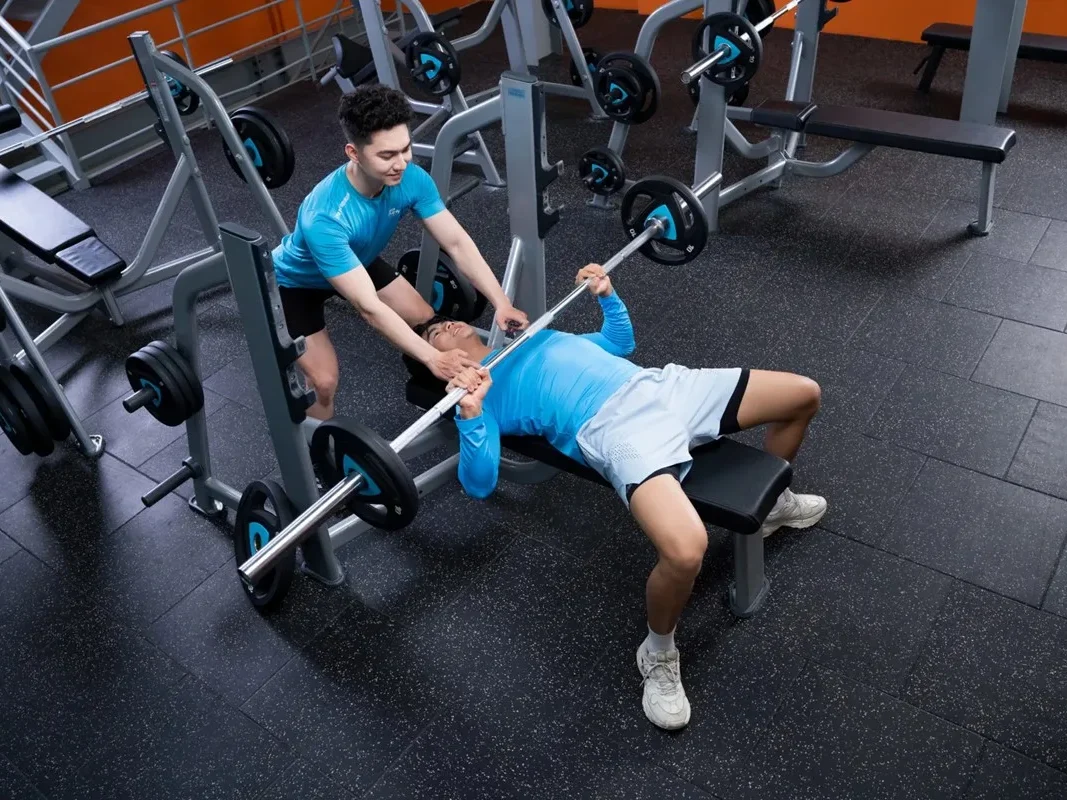
Too Much Isolation, Not Enough Compound Work
Some people only train biceps and shoulders to “look good” but skip Squats and Deadlifts. Isolation work doesn’t build explosive power for football, so your performance on the pitch doesn’t improve even if you train consistently.
- How to fix it: Prioritise compound exercises (Squat, Deadlift, Bench Press) in the main part of your session, with isolation work only as a supplement.
Skipping Core Training
A weak core makes you easy to knock over when shielding and reduces your shooting and passing power. Yet it’s the muscle group most people skip, training only “show-off” muscles like arms and chest.
- How to fix it: Every session should include at least 5-10 minutes of core work (Plank, Russian Twist, Dead Bug).
Not Training Single-Leg Strength
Football demands single-leg stability (your standing leg when shooting, quick changes of direction). But most people only train two-legged exercises (regular Squats), so they don’t develop single-leg balance and strength.
- How to fix it: Add Pistol Squats, Bulgarian Split Squats and Single-leg Deadlifts to your plan 1-2 times a week.
Frequency and Tips for Gym Training to Improve Football Fitness
Wondering how to balance gym training and football for the best results? Here are the scientific principles from The New Gym.
How Many Times a Week Should Amateur Players Train at the Gym?
Frequency depends on your playing schedule:
- Playing 1 match a week: 3 gym sessions (strength + cardio + HIIT). This is the ideal schedule for beginners.
- Playing 2 matches a week: 2 gym sessions, prioritising light strength work and recovery.
- Playing 3 or more matches a week: 1 gym session, prioritising core and muscle recovery.
- Note: Always keep heavy gym sessions at least 48 hours before a match, and train lightly or rest the day before.
Who Should Be Careful with Gym Training for Football
Some groups need to take special care:
- People with past knee/ligament injuries: Avoid deep Squats and Plyometrics, and get clearance from a physiotherapist before training heavy.

- Beginners (never trained at the gym): Start with very light weights and learn proper form for 4-6 weeks before increasing intensity.
- Players over 35: Favour low-impact exercises (bike HIIT instead of sprints) and increase your warm-up to 15 minutes.
- People with heart problems: Consult a doctor before doing high-intensity HIIT.
Nutrition and Recovery for Players Who Train at the Gym
- Protein 1.6-2g per kg of bodyweight: Needed to repair muscle after gym sessions and football.
- Enough carbs before a match: Eat a meal rich in easily digestible carbs (rice, bread, bananas) about 2–3 hours before the match for plenty of energy.
- Water and electrolytes: Drink at least 2-3 litres a day, and add electrolytes when training at high intensity for over 60 minutes.
- Sleep 7-9 hours a night: This is the most important recovery factor but is easily overlooked.
FAQ: Frequently Asked Questions About Improving Football Fitness
How long does gym training take to improve fitness on the pitch?
With 2-3 gym sessions a week alongside football, you’ll feel better endurance after 4-6 weeks, and see stronger shots and faster acceleration after 8-12 weeks. Most important is staying consistent and applying Progressive Overload: gradually adding weight so your muscles keep developing.
Will gym training make my legs heavy and slow me down?
Usually not, if you train properly and don’t train heavy close to match day. Overdoing heavy training right before a match can tire your legs, but well-planned gym training (48 hours before a match, varied exercises) only makes your legs stronger. Professional players all have their own gyms, which is the clearest proof.
Should players lift heavy or light with high reps?
Players need both. Heavy weights with low reps (3-6 reps) develop explosive power for shooting and sprinting. Moderate weights with moderate reps (8-12 reps) build muscle mass. Light weights with high reps (15-20 reps) build muscular endurance. The New Gym recommends alternating them through the week for all-round development.
Do I need protein powder (whey) when training at the gym to play better football?
It’s not required but very useful if you struggle to get enough protein from food. Players who train at the gym need 1.6-2g of protein per kg, so a 70kg man needs 110-140g a day. If your diet falls short, whey is a convenient option. However, real food (meat, fish, eggs) should still come before whey.
Becoming a complete player requires combining on-pitch technique with a solid fitness foundation from the gym. With these 5 key exercises, you’re equipping yourself with the tools you need to break your limits.
At The New Gym, with everything from free weights and squat racks to a modern cardio line-up, start with 2–3 gym sessions a week alongside your football schedule, and add weight gradually once your technique is solid, ready for every match.

⚽Articles on sports conditioning
A collection of 21 articles about sports conditioning, ordered by how often they are read.
- The Strength Behind the Grace: A Gym Plan for Dancers
- 9 Gym Exercises to Help You Dominate the Baseball Field
- A Guide to Fitness Training for Golf
- Want Harder Tackles? 5 Gym Exercises Rugby Players Should Know
- 8 basic gym exercises for Pickleball players
- 7 common first-time trekking mistakes and how to avoid them
- Football Fitness Exercises: A Complete Guide
- Avoid Muscle Strains in Badminton: 5 Expert Warm-Up Steps
- Does Playing Badminton Help You Lose Weight?
- Tennis conditioning exercises: 9 strength exercises for players
See 9 more articles ▾
- Does Badminton Make Your Arms Bigger? Things to Know
- Golf Basics: A Guide for Beginners
- How to prepare your fitness for trekking and prevent injury
- A ‘Swimmer’ on Land: A Complete Supplementary Gym Plan for Swimmers
- Ride Faster: Why Do Cyclists Need Weight Training?
- Exercises to Improve Climbing: 11 Moves to Prepare for Hiking
- How to Play Basketball: A Basic Guide for Beginners
About The New Gym
The New Gym is a gym chain with 15 clubs in Ho Chi Minh City, Can Tho, Da Nang and Dong Nai. Most clubs are open 24/7, while Can Tho and Bien Hoa are open from 5am to midnight (see opening hours for each club). Memberships start from 299,000 VND/month on the 6-month plan, including 11+ free group classes. Guided by our “Gym for everyone” philosophy, first-time visitors get a 7-day free trial.
📞 Hotline: 1900 63 69 20
📌 Facebook: facebook.com/thenewgymvietnam
💬 Zalo: zalo.me/4267108480570109866


