
Did you know? When you push yourself through a hard workout, you don’t actually get stronger at that moment. In fact, you’re putting stress on your body and priming it for growth and adaptation. If you want the best physical results, getting enough nutrition and rest after each session is a must. This article answers what to eat after the gym to build muscle and how to build a diet for people who train.
Why Eating After the Gym Matters
After a high-intensity session, your body is in a catabolic (breaking down) state. Combining the right post-workout nutrition is the foundation of the most effective diet for gym-goers. That’s why eating right after training is so important:
- Restoring Glycogen: The main goal of eating right after training is to refill the Glycogen stores burned in your muscles. That’s why knowing what to eat after the gym to build muscle means including easily digestible carbs.
- Repairing muscle tissue: Protein provides the amino acids needed to repair and build new muscle tissue, shifting your body into an anabolic (building) state.
Recovery Mistakes to Avoid: What Should You Eat After the Gym?
To get the most out of knowing what to eat after the gym to build muscle, avoid these common mistakes:
| Common Mistake | Consequence | How to Fix It |
| Eating too much fat | Fat slows the digestion and absorption of protein/carbs, slowing recovery. | Minimise fat in your meal right after training (Post-workout). |
| Skipping Carbs | Your body has no Glycogen to restore energy, leading to a higher risk of muscle breakdown. | Your post-workout meal should include both carbs and protein, usually with more carbs than protein. |
| Lack of water/Electrolytes | Causes dehydration and cramps and reduces muscle cell recovery. | Drink water steadily during and after training; add electrolytes if you train hard. |
What Should You Eat After the Gym to Build Muscle?
What Should You Eat After the Gym to Build Muscle? Choosing easily digestible foods speeds up nutrient absorption. The following foods are great after training, helping refuel your muscles faster:
Refill Glycogen with Fast-Digesting Carbs
When you train at high intensity, you use up a significant share of your body’s Glycogen stores (carbs stored in your muscles). Training without enough energy easily makes your session less effective and your recovery slower.
Right after training, your body can replenish Glycogen at an accelerated rate.
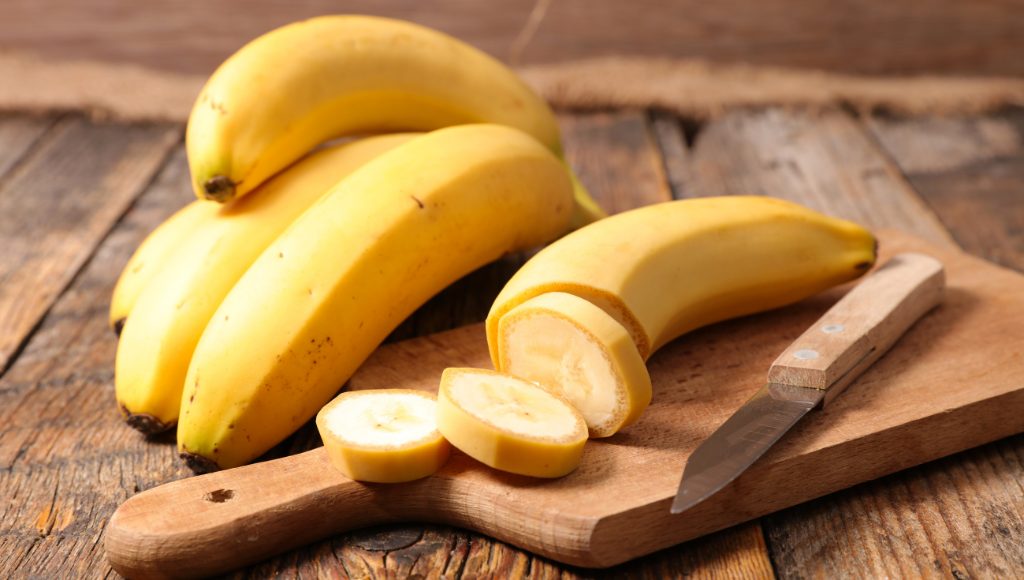
Foods (fast carbs) to consider: White rice/Pasta, Bananas, Orange juice, Chocolate milk.
Eating protein along with carbs after training significantly boosts Glycogen synthesis.
Foods with Carbs and Protein: Peanut butter on wholegrain bread, Chicken stir-fry with vegetables and rice, Pasta with tuna or minced meat.
Get Lean Protein After Training
People training to build muscle should eat about 1.4–2.0 g of protein per kg of bodyweight a day, spread across 3–4 meals (International Society of Sports Nutrition). For example, a 60 kg person needs about 85–120 g of protein a day, equal to 3–4 meals with meat, fish, eggs, tofu or dairy.
See also the role of protein for your muscles.
You don’t need to eat immediately after training. A meal with protein and carbs within a few hours of your session is enough to support recovery. Protein eaten during this period may boost your body’s ability to build new muscle tissue. To get the potential benefit, focus on lean protein sources, because fat slows digestion and gets in the way of delivering protein and carbs quickly.
Lean Protein Foods: Whey protein powder, Chicken breast, Lean beef, Beans and lentils, Low-fat yogurt (like Skyr).

In short, post-workout nutrition is the muscle-rebuilding phase: prioritise refilling Glycogen with fast-digesting carbs and getting lean protein (like Whey and chicken breast) to trigger Muscle Protein Synthesis. The biggest mistakes are avoiding carbs or eating too much fat after training, so keep that in mind!
Important Micronutrients to Include
Beyond Protein and Carbs, a diet for gym-goers should also include micronutrients that support recovery and reduce inflammation:
- Omega-3: Found in fish oil and chia seeds. Helps reduce muscle inflammation after high-intensity sessions.
- Magnesium: Helps reduce cramps and supports muscle function. You can get it from bananas (also a great fast carb source).
- Vitamins C and E: Powerful antioxidants that fight the free radicals produced during training. That’s why gym-goers’ meals also need vegetables and fruit.
Who Should Be Careful with a High-Protein Diet?
If you have kidney disease, liver disease, diabetes or gout, or are pregnant, ask a doctor or nutritionist before increasing your protein or using supplements like whey or creatine.
Frequently Asked Questions
Can you build muscle without whey?
Yes. Whey is just a convenient way to add protein. If your daily meals provide enough protein from meat, fish, eggs, dairy and beans, you don’t have to use whey.
How soon after training should you eat?
No need to rush. A meal with protein and carbs within a few hours of training is fine. What matters more is your total protein and energy for the day.
What should you eat before training?
A light meal with easily digestible carbs (banana, bread, rice) about 1–3 hours before training. See the details in our guide to eating before and after training.
In Short: What Should You Eat After Training?
The priority for what to eat after the gym to build muscle is refilling Glycogen with fast-digesting carbs and getting lean protein (like Whey and chicken breast) to trigger Muscle Protein Synthesis. The biggest mistakes are avoiding carbs or eating too much fat after training, so keep that in mind!
🍳Articles on sports nutrition
A collection of 42 articles about sports nutrition, ordered by how often they are read.
- The secret to science-based fuelling for your body
- Top 7+ Caffeine-Rich Foods That Are Good for Gym-Goers
- What Is Eating in Moderation? How to Eat Well and Stay Healthy
- What to Eat Before a Morning Gym Session?
- Edible Insects: The Super Protein Source of the Future
- A Guide to Eating Properly on Rest Days
- Tet Eating Mistakes That Wreck Your Health
- What should you eat to reach your body goals?
- The Protein Battle: Chicken Breast or Eggs?
- Tofu and tofu skin: familiar sources of plant protein
- 3 Benefits of Healthy Eating You May Not Know
- Why shouldn’t we skip snacks?
See 30 more articles ▾
- 4 Food Groups to Avoid Before the Gym
- 8 Foods That Hydrate Your Body Instantly
- What is protein? Its functions, signs of deficiency and sources
- The Right Diet for Strength Training
- Duck eggs: nutritional value, benefits and how to eat them sensibly
- Avoid “Losing Muscle” at Tet: Spread Your Protein Over 12 Hours
- Vinamilk High-Protein Nut Milk: Fuel Your Workout with The New Gym
- Coffee: Fuel or Enemy for Your Workout?
- How to Build Muscle Effectively: A Proper Training and Nutrition Plan
- How is nutrition for women who train different from men?
- Which Vegetables Should Gym-Goers Eat? The 6 Best Vegetables for Gym-Goers
- What to Eat in Cold Weather to Stay in Shape? Top 6 Cold-Weather Dishes
- Does Freezing Food Make It Lose Nutrients?
- Is “you are what you eat” true from a scientific perspective?
- Plant Protein vs Animal Protein: The Best Choice for Gym-Goers
- What to eat after training? Which foods should you have after a workout?
- What Not to Eat When Training: 4 Common Nutrition Mistakes Gym-Goers Make
- Organic Food: ‘Clean Fuel’ or a Marketing Gimmick?
- What to Eat to Feel Better? 20 Mood-Boosting Foods That Recharge You Instantly
- 6 High-Protein Nuts and Seeds for Gym-Goers
- Nut Butters: Golden Foods for Snacks
- How to read a nutrition facts label
- Eat Before or After the Gym? Proper Protein Timing for Gym-Goers
- Chocolate: A Sweet “Sin” or a Misunderstood Superfood?
- How processed food affects your muscles
- Protein in Fish: The Top 5 Best Fish Protein Choices
- How to Rehydrate and Replace Electrolytes Properly: Boost Performance and Prevent Overheating
- Should You Drink Whey Protein Before or After the Gym?
- What Is Plant Protein? The 10 Best Sources and a 7-Day Vegetarian Muscle-Building Menu
- The A-Z Guide to Training During Ramadan
About The New Gym
The New Gym is a gym chain with 15 clubs in Ho Chi Minh City, Can Tho, Da Nang and Dong Nai. Most clubs are open 24/7, while Can Tho and Bien Hoa are open from 5am to midnight (see opening hours for each club). Memberships start from 299,000 VND/month on the 6-month plan, including 11+ free group classes. Guided by our “Gym for everyone” philosophy, first-time visitors get a 7-day free trial.
📞 Hotline: 1900 63 69 20
📌 Facebook: facebook.com/thenewgymvietnam
💬 Zalo: zalo.me/4267108480570109866


