
Bulking, or a bulk, is a phase where you eat more than your body burns, combined with regular weight training to build muscle. The extra energy provides the raw material, and weight training is the signal for your body to use that material to build muscle.
Bulking doesn’t mean eating whatever you like. The bigger your surplus, the faster your weight goes up, but the more fat you gain too. That’s why there are three different types of bulk: lean bulk, clean bulk and dirty bulk.
This article explains what bulking is, the types of bulk, how to bulk properly in 5 steps, how long to bulk before stopping, and who should be careful.
What is bulking?
Bulking is a deliberate weight-gain phase to build muscle, usually lasting a few months. Every type of bulk is based on three factors:
- An energy surplus: Eating more than the total energy your body burns each day.
- Regular weight training: Gradually increasing the weight or reps week by week.
- Enough protein: Providing the raw material to build new muscle.
The types of bulk differ only in the size of the surplus and the quality of the food. These two factors decide how much of the weight you gain is muscle and how much is fat.
In Vietnam, gym-goers often call bulking “releasing muscle”, the opposite of “tightening muscle”, the fat-loss phase. These terms are easy to remember, but can lead beginners to think bulking means eating without any control.

Types of bulk: lean bulk, clean bulk and dirty bulk
| Type of bulk | Daily surplus | Food quality | Typical result |
|---|---|---|---|
| Lean bulk | About 200–300 calories | Mostly whole foods, tightly controlled | Slow weight gain, little fat |
| Clean bulk | About 300–500 calories | Mostly whole foods | Moderate weight gain, moderate fat gain |
| Dirty bulk | 700 calories or more | Eat freely, lots of processed food | Fast weight gain, lots of fat |
What is a lean bulk? A lean bulk is the type with the smallest surplus. Your weight goes up slowly, but you gain the least extra fat. A lean bulk suits people who have been training for a while and want to keep building muscle without storing much fat.
A clean bulk is the middle ground: slightly faster weight gain than a lean bulk, accepting moderate fat gain. Many people use “lean bulk” and “clean bulk” interchangeably.
A dirty bulk puts on weight the fastest, but most of it is fat. The fat-loss phase afterwards will also be longer and harder.
For beginners in their first year, muscle usually grows quite quickly even with a very small surplus. So beginners generally don’t need a dirty bulk.
How to bulk properly in just 5 steps
1. Calculate your energy needs and choose your surplus
Calculate your TDEE, the total energy you burn each day, then add the surplus for the type of bulk you’ve chosen. For most people, a lean bulk or clean bulk is the sensible choice.
Weigh yourself at the same time every morning and take a weekly average instead of comparing day to day:
- If your weight hasn’t changed after 2–3 weeks: Add about 100 calories a day.
- If your weight is rising too fast, over 0.5kg a week: Reduce your surplus, as the extra is most likely fat.
2. Eat enough protein and balance carbs and fats
- Protein: About 1.6–2.2g per kg of bodyweight a day, from meat, fish, eggs, dairy and tofu.
- Carbs: Don’t cut them. Carbs give you the energy to train harder, for example rice, potatoes, oats and bread.
- Fats: About 20–30% of your total energy, preferably from fish, nuts, avocado and vegetable oils.
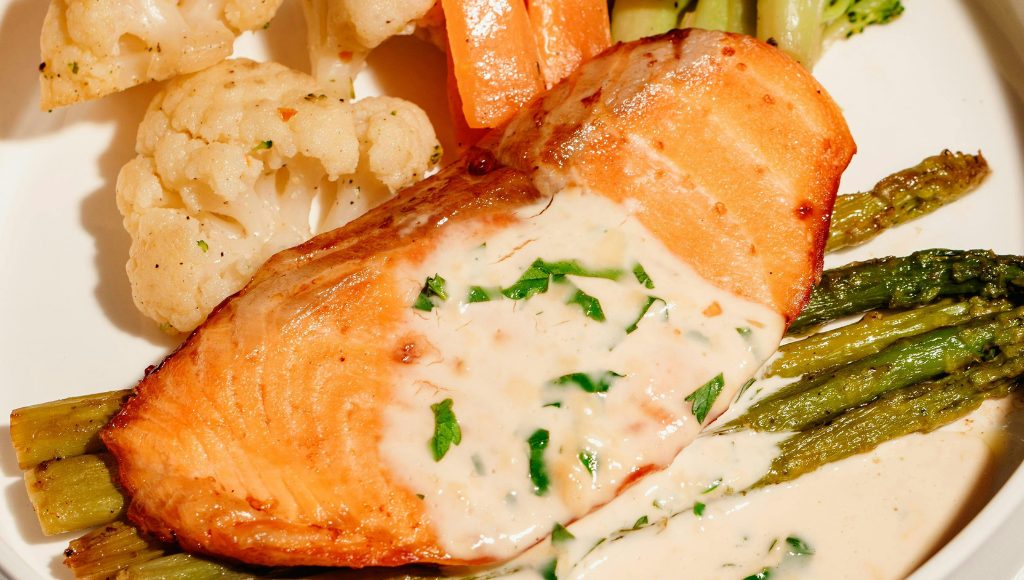
Most of your diet should come from whole foods. Fast food makes it easier to hit your calories, but it’s easy to overeat without noticing, and it lacks fibre and micronutrients.
3. Train with enough volume and progressive overload
Without weight training, bulking is just weight gain.
A 2026 meta-analysis of 67 studies in Sports Medicine found that total weekly sets affect muscle growth more than the number of sessions. Nearly 80% of participants were men, with an average age of about 25. In practice, what matters is getting enough sets for each muscle group per week, not training as many sessions as possible.
- Main exercises: Squat, Deadlift, Bench Press, Barbell Row, Overhead Press.
- Progressive overload: Increase the weight, reps or sets week by week following the progressive overload principle.
- Schedule: 3–5 sessions a week, training each muscle group twice, for example with an upper lower split. Multi-joint exercises 6–10 reps, single-joint exercises 10–15 reps.
See also: 12 weight training exercises for beginners with dumbbells, barbells and machines
4. Keep some light cardio
Many people drop cardio entirely when bulking for fear of burning off their surplus. In fact, 2–3 LISS sessions a week of 20–30 minutes each keep your cardiovascular endurance up so you don’t run out of breath between heavy sets. Just eat a bit more to make up for the energy.
Limit how many HIIT sessions you do while bulking, because HIIT needs longer recovery and can reduce the quality of your weight sessions.
5. Get enough sleep
Sleep 7–9 hours a night. Regular lack of sleep makes your workouts worse and slows muscle recovery. Keep a consistent bedtime and avoid coffee from early afternoon.
How long should you bulk before stopping?
A bulking phase usually lasts 3–6 months. Break it into 4-week blocks and review at the end of each block to decide whether to continue or adjust.
As well as your weight, measure your waist every 2 weeks. If your waist is growing quickly while your lifts aren’t going up to match, the extra is mostly fat. In that case, switch to a maintenance or light fat-loss phase before bulking again.
Who should be careful when bulking?
This article is for reference only and does not replace advice from a doctor or nutritionist.
People with a history of eating disorders: Weighing and tracking your daily intake can have a negative effect. Talk to a professional before starting.
People with diabetes: Increasing carbs should follow your doctor’s advice to avoid big blood sugar swings.
People with kidney disease: Need a doctor’s assessment before increasing protein.
People with high cholesterol or heart disease: Favour fats from fish, nuts and vegetable oils, and limit fried food.
Pregnant women and new mothers: Nutrition during this time should follow your obstetrician’s guidance, not muscle-building goals.

Frequently Asked Questions
What is a bulk?
A bulk is a phase of eating in an energy surplus combined with weight training to build muscle. Bulk and bulking mean the same thing.
How big a calorie surplus do you need to bulk?
Most people should eat about 200–500 calories a day above their needs, depending on whether they choose a lean or clean bulk. Then adjust based on your weekly average weight.
Does bulking add fat?
Yes, more or less depending on your surplus. A lean bulk adds the least fat and a dirty bulk the most. For experienced lifters, there’s almost no way to build muscle without gaining any fat at all.
How is a lean bulk different from a bulk?
Bulk is the general term. A lean bulk is a type of bulk with the smallest surplus, limiting fat gain but with slower weight gain.
Should I bulk or cut first?
If you’re just starting to train, you can train and eat enough protein without bulking yet. If you’re carrying a lot of fat and want to improve your health, lose fat first. If you’re already skinny and struggle to gain weight, you can start bulking right away.
Should women bulk?
Yes, with the same principles as men. Women usually build muscle more slowly, so the surplus can be kept low, like a lean bulk.
Do I need whey or creatine when bulking?
They’re not required. Whey is convenient when it’s hard to get enough protein from meals, and creatine has evidence supporting training performance. Both are only supplements.
Conclusion
Bulking is a phase of eating in an energy surplus combined with weight training to build muscle. The size of your surplus decides how fast you gain weight and how much fat you gain. For most people, a lean or clean bulk is the balanced choice: a moderate surplus, enough protein, enough training volume, and a review every 4 weeks.
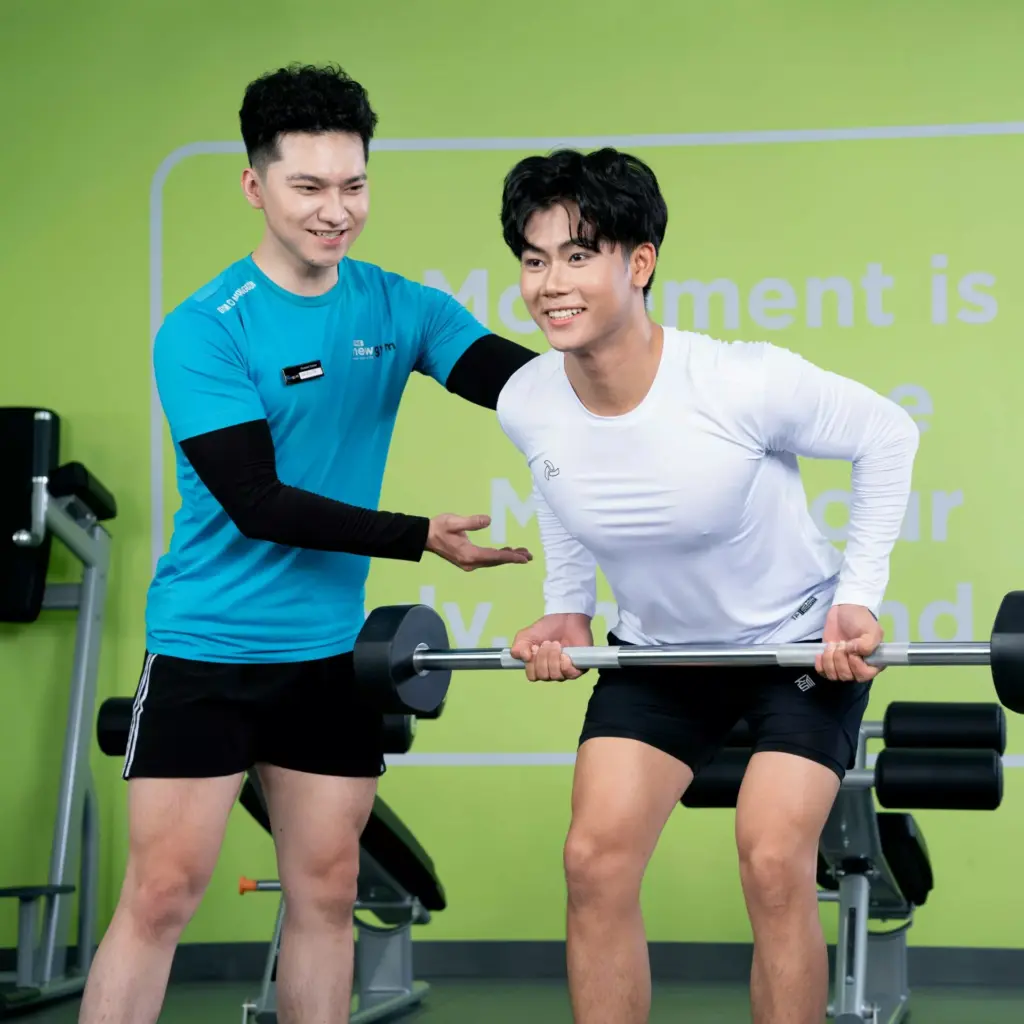
With 15 locations open 24/7 and full equipment, The New Gym helps you stay consistent with your training, the key factor for a successful lean bulk cycle. If you need a personalised calorie plan and training program, our PT team can help build a program that suits your body.
Sign up to train today: https://join.thenewgym.vn
🏋️Articles on muscle gain
A collection of 25 articles about muscle gain, ordered by how often they are read.
- What Is Skinny Fat? Causes, Signs and How to Fix It
- What Is PBF? What PBF Is Good for Men and Women in 2026?
- What is cutting? How to lose fat without losing muscle
- What is an ectomorph? How skinny people can gain weight and muscle
- A Training Plan for the Mesomorph Body Type
- The truth about how painkillers affect muscle growth
- How to gain weight effectively if you’re skinny and struggle to absorb food
- How to build muscle if you’re skinny and struggle to gain weight
- How women can gain weight safely and effectively
- How men can gain weight quickly, safely and effectively
See 14 more articles ▾
- Does muscle turn into fat when you stop training?
- Will Lifting Weights Make Women Bulky?
- 5 ways to maintain muscle
- Effective Full-Body Fat Loss Exercises for Women in 1 Week
- Tired of Waiting for Machines? Master Your Upper Body with Just a Pair of Dumbbells
- What Is an Endomorph? An Effective Nutrition and Training Guide
- Not Building Muscle at the Gym? 5 Mistakes Holding Back Your Gains
- Secrets to Building Muscle and Losing Fat with Intermittent Fasting (IF) and Weight Training
- Hard gainers: an expert explanation
- Toning Up for Women: A Plan to Build Muscle and Lose Fat
- What Is Bodybuilding? Benefits, Who It Suits and the Risks to Know
- How Long Until You Lose Muscle When You Stop Training? The Truth About Detraining
- Not building muscle at the gym? What is your body warning you about?
About The New Gym
The New Gym is a gym chain with 15 clubs in Ho Chi Minh City, Can Tho, Da Nang and Dong Nai. Most clubs are open 24/7, while Can Tho and Bien Hoa are open from 5am to midnight (see opening hours for each club). Memberships start from 299,000 VND/month on the 6-month plan, including 11+ free group classes. Guided by our “Gym for everyone” philosophy, first-time visitors get a 7-day free trial.
📞 Hotline: 1900 63 69 20
📌 Facebook: facebook.com/thenewgymvietnam
💬 Zalo: zalo.me/4267108480570109866


