
Many people use the terms nutrition and nutrients interchangeably. In fact they’re different: nutrition is the whole process of your body taking in and processing food, while nutrients are the specific components in that food. The New Gym will help you tell them apart and understand why eating a lot doesn’t necessarily mean eating well.
What is nutrition?
Nutrition is the process by which your body takes in, digests, absorbs and uses substances from food to sustain life, then excretes what it doesn’t use. Nutrients are the compounds in food that take part in this process.
Worth noting: a meal with enough energy can still lack nutrients if it isn’t varied. The World Health Organization stresses that a healthy diet needs a variety of food groups, not just enough quantity.
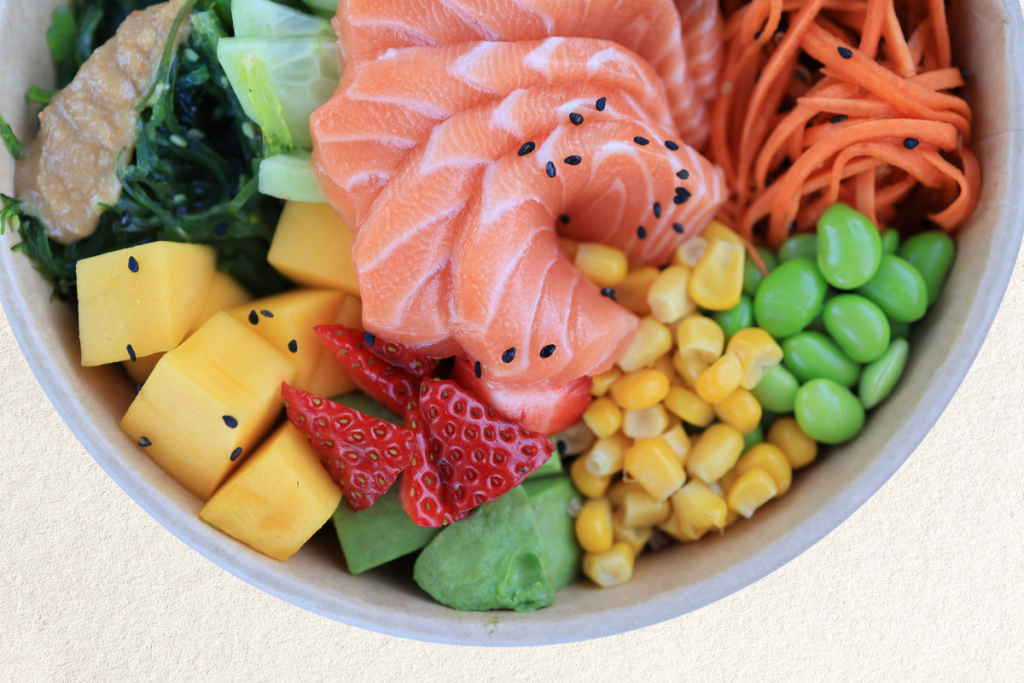
Nutrient groups
| Nutrient group | Main role | Food sources |
| Protein | Builds and repairs tissue, makes enzymes, hormones and antibodies | Meat, fish, eggs, dairy, tofu, beans, nuts |
| Carbohydrates | The main energy source for the brain and muscles | Rice, rice noodles, pho, bread, potatoes, oats, cereals |
| Fat | Stores energy, builds cell membranes, helps absorb vitamin A, D, E, K | Vegetable oils, animal fat, butter, oily fish, nuts, avocado |
| Vitamin | Takes part in a wide range of metabolic reactions | Leafy greens, fruit, eggs, liver, fish |
| Minerals | Build bones, make blood, transmit nerve signals | Dairy, seafood, red meat, dark leafy greens, iodised salt |
| Fibre | Supports digestion, feeds good bacteria, keeps you full | Vegetables, root vegetables, fruit, beans, whole grains |
| Water | Transports substances, regulates body temperature | Filtered water, soup, milk, water-rich fruit |
A commonly misstated point: your body can’t digest fibre, but that doesn’t mean fibre passes through without doing anything. Soluble fibre is fermented by gut bacteria, producing substances that benefit your gut lining.
Vitamins and minerals are together called micronutrients because your body only needs small amounts, but deficiencies have clear consequences: iron deficiency causes anaemia, iodine deficiency causes goitre, and a lack of calcium and vitamin D affects your bones.
A sensible nutrient balance in your daily diet
Each gram of protein and carbohydrate provides about 4 kcal, while each gram of fat provides about 9 kcal. So for the same amount of food, oily dishes have far more calories.
See also what calories are and how to control your daily calories.
The table below gives reference ranges for healthy adults, as a percentage of total daily energy. The exact numbers vary by age, sex, activity level and health.
| Nutrient group | Reference range |
| Carbohydrates | About 55 to 65% |
| Protein | About 13 to 20% |
| Fat | About 20 to 25% |
Within protein, include both animal and plant protein. Within fats, include both vegetable oils and animal fats rather than cutting one out completely.
See also: A Guide to Telling Good Fats from Bad Fats
How to divide your plate at each meal
This is the easiest approach, with no weighing or calculating needed:
Half your plate is vegetables and fruit: The more colours the better, because each colour usually comes with different micronutrients.
A quarter is protein: Meat, fish, eggs, tofu or beans. Favour fish and lean meat, and limit processed meats.
A quarter is carbs: Favour whole grains like brown rice, wholegrain bread and sweet potatoes, alternating with white rice.
Add some healthy fat: Olive oil, rapeseed oil, nuts and avocado.
It’s not hard to apply to a Vietnamese meal: a medium bowl of rice, a savoury main dish, a boiled or stir-fried vegetable dish and a bowl of soup already come close to this balance. The part most often missing is vegetables.
According to MedlinePlus, eating a variety of food groups is more effective than focusing on one food considered healthy.
See also: Is cutting out rice completely when losing weight harmful?
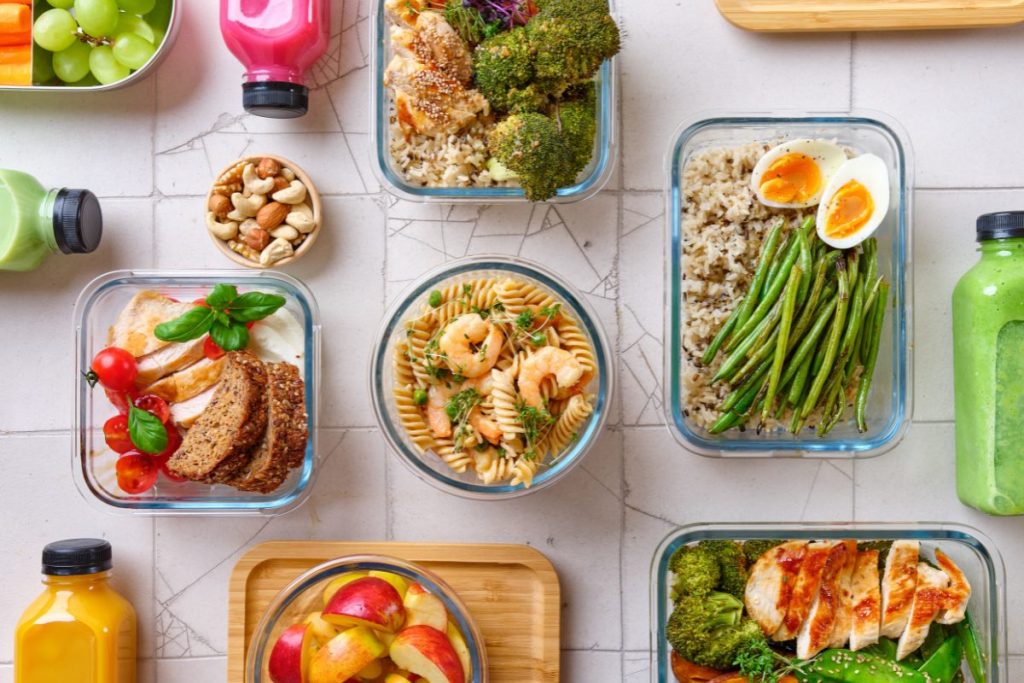
How much water should you drink each day?
Reference amounts based on body weight:
| Age group | Reference water intake |
| 10 to 18 years | About 40 ml per kg of body weight |
| 19 to 30 years, very active | About 40 ml per kg |
| 19 to 55 years, moderately active | About 35 ml per kg |
| Over 55 years | About 30 ml per kg |
This includes water from soup, milk and fruit. People who sweat a lot when training or work outdoors need more.
Nutritional needs change with age
| Age | What to pay attention to |
| Under 2 years | Exclusive breastfeeding for the first 6 months, complementary food from 6 months, continued breastfeeding to 2 years or beyond |
| School-age children | Enough energy for activity, don’t skip breakfast, limit soft drinks and sweets |
| Puberty | Needs rise quickly; more calcium, iron and zinc for growth |
| Adults | Maintain balance, watch salt, sugar and saturated fat |
| Pregnancy and breastfeeding | Higher needs for iron, folic acid, calcium and DHA, as directed by a doctor |
| Middle age | Look after bones, joints and heart health; reduce salt and added sugar |
| Over 55 years | Need less energy but still need enough protein, calcium, vitamin D and B12 |
What older age groups have in common: energy needs gradually fall but micronutrient needs don’t, so meals need to be nutrient-dense rather than simply smaller.
5 common mistakes when you don’t fully understand nutrition
| Mistake | Problem |
| Cutting carbs completely to lose weight | You tire easily, it’s hard to sustain, and you often overeat afterwards |
| Cutting fat completely | Reduces absorption of vitamins A, D, E and K and makes meals less filling |
| Only eating a few favourite dishes | Enough energy but too few micronutrients |
| Relying on supplements instead of meals | Easy to get too much of some micronutrients, and some build up and cause harm |
| Ignoring hidden salt and sugar | Dipping sauces, dried snacks and soft drinks contribute more than many people think |
On hidden sugar and salt, the FDA recommends reading the nutrition facts label on packaging to know the actual amount per serving.
See also: Blood sugar swings and feeling tired after meals
Signs your diet is lacking in nutrition
- Lasting tiredness despite enough sleep
- Getting sick often, wounds healing slowly
- Lots of hair loss, dry skin, brittle nails
- Frequent constipation
- Unintended weight loss or gain
- Often getting hungry again soon after eating
These signs aren’t specific and can have many other causes. If they persist, see a doctor for an assessment rather than taking micronutrient supplements on your own.
See also: Malnutrition: signs, prevention and treatment
Nutrition for gym-goers
People who do regular resistance training need more protein than average, but the other 2 groups still shouldn’t be cut.
| Nutrient group | Reference amount for regular exercisers | Notes |
| Protein | About 1.4 to 2 grams per kg of body weight a day | Spread it evenly across meals instead of loading it into one |
| Carbohydrates | Keep it at an adequate level; don’t cut it | The main energy source for your workouts |
| Fat | Shouldn’t fall below 20% of total energy | Cutting it too low affects your hormones and vitamin absorption |
Around your workout: eat a light, easily digestible meal 1 to 2 hours before training, and a meal with both protein and carbs afterwards. There’s no compulsory 30-minute golden window as many people think; your total food intake for the day matters more than the exact timing.
Building muscle and losing fat differ in total energy, not in principle. Keep your protein high in both phases, because it’s what preserves your muscle while you’re losing fat.
Supplements aren’t required. Whey protein is just a convenient way to reach your protein target when your meals fall short, not a condition for building muscle. If you get enough from real food, you don’t need it.
Specific needs vary with your weight, training intensity and goals. The New Gym stores your training history and InBody results in the app, so you can see whether your current diet is heading in the same direction as your training.
See also: What Do InBody Results Show?

Frequently Asked Questions
What is clinical dietetics?
It’s a branch of nutrition science that designs diets for patients based on their specific condition, for example diets for people with diabetes, kidney failure or after surgery. The clinical nutrition department in a hospital handles this work.
Can a vegetarian diet provide enough nutrients?
It can, if it’s well planned. Pay attention to nutrients that are easy to miss, including vitamin B12, iron, zinc, calcium, omega-3 and protein. Long-term vegetarians should talk to a doctor or nutritionist about vitamin B12 supplements.
Do you need a daily multivitamin?
For people with a varied diet, usually not. Supplements should be based on advice after an assessment, because too much of some fat-soluble vitamins can be harmful.
Can supplements replace meals?
No. Real food provides fibre and many compounds that work together, which pills can’t recreate. Supplements should only play a supporting role when there’s a specific reason.
Build Balanced Meals Starting Today
Good nutrition isn’t about finding one special food but about variety and balance between nutrient groups. Dividing your plate into half vegetables, a quarter protein and a quarter carbs is the easiest place to start.
If you’re new and still unsure, The New Gym is running a 7-day free trial. You’re free to try our spacious training areas with full cardio, machine and free weight zones, join more than 11 free group classes for members and use every amenity across The New Gym’s 24/7 locations.

🍎Articles on nutrition basics
A collection of 65 articles about nutrition basics, ordered by how often they are read.
- What Is Vitamin K2? Why Does Taking More Calcium Lead to Weaker Bones?
- What are carbohydrates? Food types and how to eat them for weight loss
- A ‘Weapon’ Against Colds: 5 Nutrient-Rich Fruits
- Drinking Without Storing Fat: 5 Rules to Stay in Shape During Year-End Parties
- How Many Calories Are in an Apple? What Do Apples Do for Gym-Goers
- What Is MCT Fat? Everything You Need to Know
- How do iodine and the thyroid affect weight?
- Malnutrition: signs, prevention and treatment
- Top 5 Health Benefits of Avocado
- Is beetroot juice good for you? Things to know when drinking it
- Is street iced tea as harmless as you think?
- What Are the Benefits of Beer? The Truth About Benefits and Risks
See 53 more articles ▾
- Signs your body is seriously low on iron
- What Is Selenium? Benefits, Selenium-Rich Foods and How to Supplement Properly
- Honey vs sugar for weight loss
- What are jujubes and goji berries good for?
- 7 Ways to Beat Sluggishness Without Caffeine
- Tips for Exercising Safely After a Big Night Out
- What is choline: a nutrient that’s good for your brain
- Instant noodles: from cancer risk to tips for eating them healthily
- Herbal ‘lá nam’ tea: its role in supporting weight loss
- 5 Low-Calorie, Non-Fattening Snacks to Replace Regular Snacks
- 6 signs of calcium deficiency: silent but dangerous
- Is Fried Chicken Good for You? Frequency, Harms and How to Eat It When Losing Weight
- How to get calcium effectively: what to eat, drink and train?
- What Is ATP? How Does ATP Energy Work When You Train?
- What Is Couscous? A ‘Muscle-Recovery’ Harissa Chicken Couscous Recipe
- What Is Keratin? Benefits, Signs of Deficiency and How to Supplement
- What is fish mint good for? Things to know
- What Do Raw Bell Peppers Do for You? Which Colour Is Best
- Going to the Gym After Drinking: 5 Risks and a Safe Recovery Workout Guide from The New Gym
- Top 22+ omega-3-rich foods for your health and muscles
- How does eating a lot of fried food affect your health?
- 5 Secrets to Building a Healthy Lifestyle
- Top 6 Healthy Vegetables You Shouldn’t Miss
- Potassium and muscle cramps
- Water: The Perfect Choice for “Hydrating” Your Body
- What is omega 9? Benefits and the richest omega 9 foods
- Which milk is healthiest? 5 popular types of milk today
- Comparing the healthiest cooking oils
- Comparing the Sugar in 5 Sweet Fruits You Often Eat
- Pasta vs Rice: Which Carb Is Better for Weight Loss?
- What does vitamin B3 do?
- What is resistant starch? How to add more to your meals
- What is trans fat? The truth about trans fats and their effect on gym-goers
- Is drinking perilla leaf tea every day good for you, and what to watch out for
- Understanding calcium: from its role to your daily needs
- Vitamin B5: Benefits, Uses and How to Supplement Effectively
- Vitamin B7: Benefits, Uses and How to Supplement Effectively
- Everything You Need to Know About Vitamin E
- Vitamin K: Benefits, Types and Supplements
- How Much Fibre Should You Eat a Day for Effective Training and Weight Loss?
- What Is Caffeine? Benefits, Side Effects and Optimal Use for Gym-Goers
- A Quick Guide to B Vitamins: Why Do You Always Feel Drained?
- A Quick Guide to Vitamin B1 (Thiamine): Goodbye to Lasting Fatigue
- What does potassium do for your health?
- What is sodium? Top sodium-rich foods
- Signs You’re Low on Vitamin A: Causes and Effective Fixes
- Vitamin A: Everything You Need to Know
- Vitamin B2: Everything You Need to Know
- What Is Vitamin B9 (Folate)? Benefits, Dosage and 5 Important Medical Notes
- What Does Vitamin C Do? Everything You Should Know
- Vitamin D and What You Need to Know
- What does red vitamin E do?
About The New Gym
The New Gym is a gym chain with 15 clubs in Ho Chi Minh City, Can Tho, Da Nang and Dong Nai. Most clubs are open 24/7, while Can Tho and Bien Hoa are open from 5am to midnight (see opening hours for each club). Memberships start from 299,000 VND/month on the 6-month plan, including 11+ free group classes. Guided by our “Gym for everyone” philosophy, first-time visitors get a 7-day free trial.
📞 Hotline: 1900 63 69 20
📌 Facebook: facebook.com/thenewgymvietnam
💬 Zalo: zalo.me/4267108480570109866


