
Post-workout stretching should last 5–10 minutes, holding each stretch for 30 seconds and repeating 3 sets on each side. Just like warming up before training, stretching at the end of your session (cool-down) benefits your health and training performance.
Stretching combined with light movement lets your heart rate come down gradually instead of stopping suddenly. For people who often get sore muscles after training (DOMS), stretching properly is one step in the recovery process.
This article guides you through 9 stretches split by leg day, upper body and full-body sessions, plus tips for stretching safely.
What are stretching exercises and what are their benefits?
Stretching exercises are movements that lengthen a muscle and then hold it still at moderate tension, making your muscles and joints more flexible. After training, stretching also helps your heart rate and breathing come down gradually so your body can switch into a resting state.
Many people believe stretching removes the lactic acid that causes soreness. In fact, lactic acid clears on its own within about an hour after training and isn’t the main cause of muscle soreness.
The clearest benefit of stretching is improved flexibility. According to a 2024 review of 189 studies by Ingram in Sports Medicine, each muscle group only needs about 4 minutes of stretching per session to get close to the maximum effect. So 3 sets × 30 seconds per side is enough.
Stretches after Leg Day

Tired hamstrings after a leg session are a sign your muscles need stretching. Do each stretch below for 3 sets, holding each set for 30 seconds per side.
Crossover Hamstring Stretch
- Step 1: Stand tall and cross one leg in front of the other.
- Step 2: Hinge forward from your hips, keeping your back straight and your back leg straight.
- Step 3: Hold for 30 seconds, then switch legs.

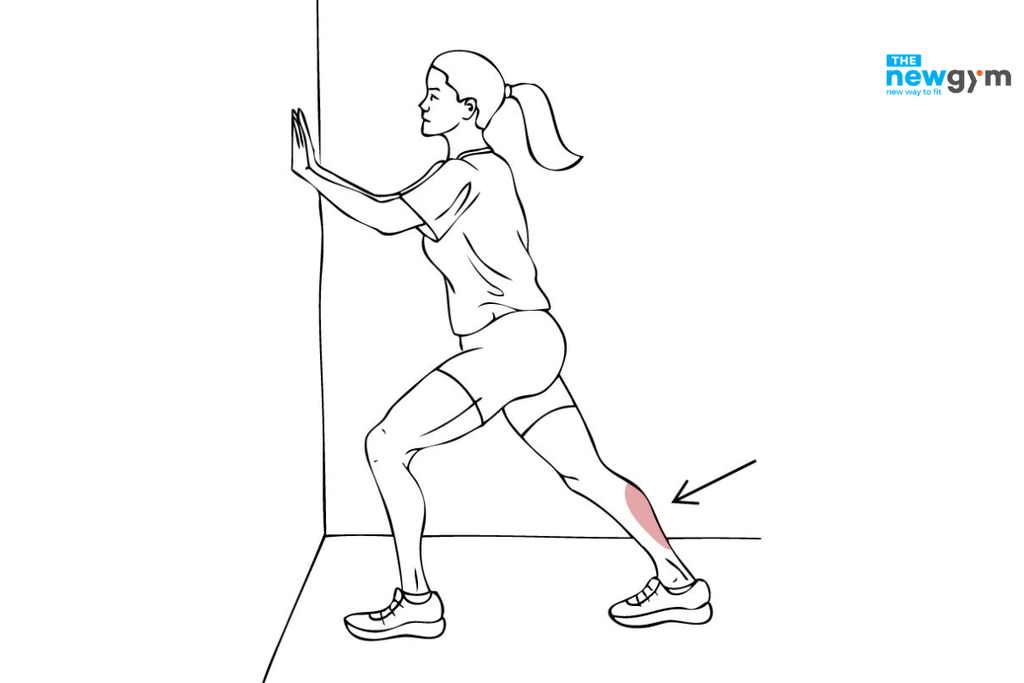
Calf Stretch
- Step 1: Stand facing a wall, lift the toes of your front foot and rest them against the wall, keeping your heel on the floor.
- Step 2: Lean forward until your calf feels a moderate stretch.
- Step 3: Hold for 30 seconds, then do the other side.
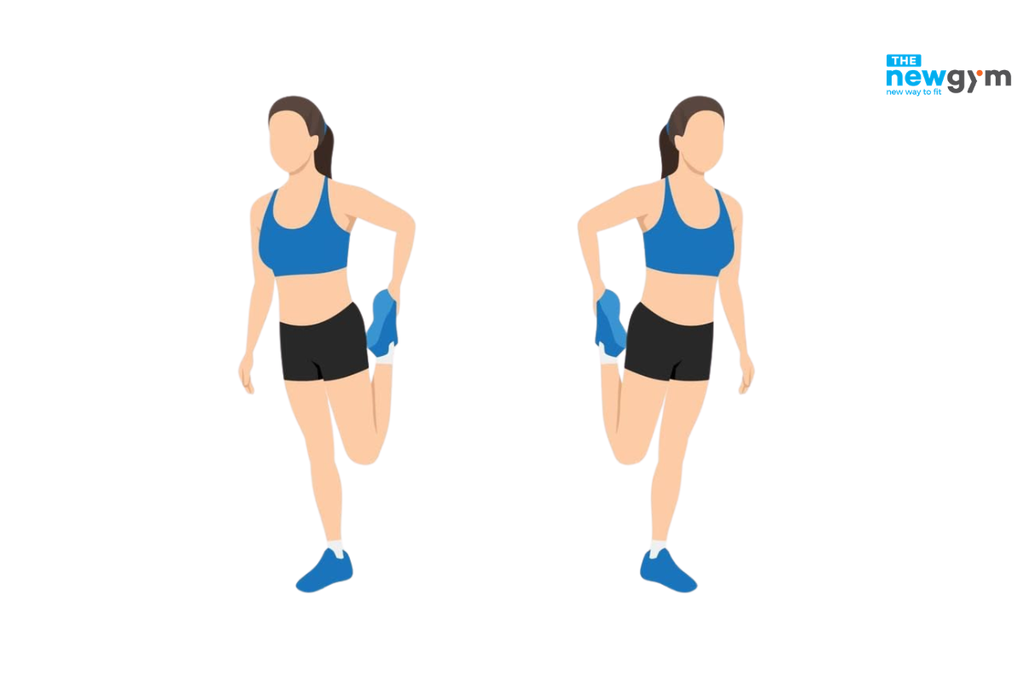
Standing Quad Stretch
- Step 1: Stand tall with your feet together.
- Step 2: Bend one knee and use the hand on the same side to pull your heel toward your glutes.
- Step 3: Hold for 30 seconds, then switch legs.
If your hips often feel tight after leg day, you can also add some hip stretches.
Stretches after an upper body session

After an upper body session, tension often builds up in your arms, shoulders and neck. Do each stretch below for 3 sets, holding each set for 30 seconds.
Overhead Triceps and Shoulder Stretch (Overhead Triceps Stretch)
- Step 1: Raise one arm overhead and bend your elbow so your hand touches your upper back.
- Step 2: Use your other hand to gently press your elbow down.
- Step 3: Hold for 30 seconds, then switch sides.

Biceps Stretch
- Step 1: Sit on the floor with your knees bent and your hands on the floor behind you, fingers pointing back.
- Step 2: Slowly slide your hips forward until the front of your arms feels a moderate stretch.
- Step 3: Hold for 30 seconds.

Chest Stretch
- Step 1: Stand tall and interlace your fingers behind your back.
- Step 2: Straighten your arms, pushing them away from your back and upward, opening your chest.
- Step 3: Hold for 30 seconds.

Stretches after a full-body session
After a full-body session, choose stretches that work several muscle groups at once. Do each stretch below for 3 sets, holding each set for 30 seconds.
Runner’s Stretch
- Step 1: Step your right foot forward into a lunge, hands on the floor on either side of your front foot.
- Step 2: Breathe out, straighten your front leg, fold your upper body toward your leg and relax your neck.
- Step 3: Repeat the movement for 30 seconds, then switch sides.

Standing Side Stretch
- Step 1: Stand tall, interlace your hands and reach high overhead.
- Step 2: Lean your body to one side and take 5 deep breaths.
- Step 3: Return to the centre, then lean to the other side.

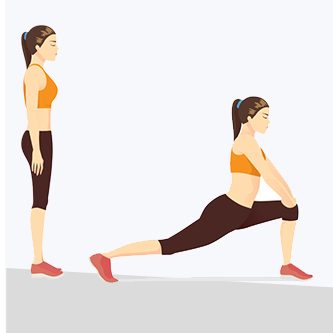
Low Lunge
- Step 1: Step one leg forward and lower your back knee to the floor.
- Step 2: Raise both arms overhead and lean back slightly to open your hip.
- Step 3: Hold for 30 seconds, then switch sides.
If you feel pain in your lower back or lower ribs as you lean back, check your neutral spine protection technique before continuing.
Child’s Pose
- Step 1: Kneel on a mat with your knees hip-width apart and your big toes touching.
- Step 2: Sit your hips back toward your heels while folding forward and stretching your arms out in front of you on the floor.
- Step 3: Relax your forehead onto the floor, breathe deeply and hold for 30 seconds.

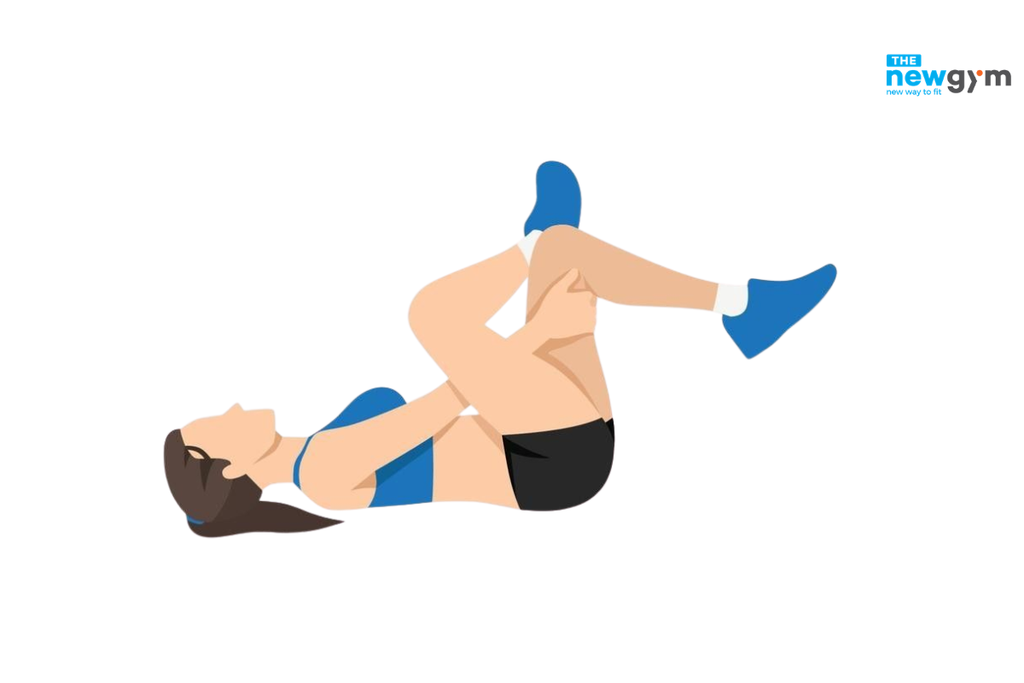
Figure Four Stretch
- Step 1: Lie on your back with both knees bent and feet on the floor.
- Step 2: Place your right ankle on your left thigh near the knee, forming a figure 4.
- Step 3: Hold the back of your left thigh with both hands and gently pull your leg toward your chest until your right glute feels a moderate stretch. Hold for 30 seconds, then switch sides.
Does stretching after training reduce muscle soreness?
Stretching after training helps your body relax and feels good, but its effect on reducing muscle soreness in the following days is limited.
A 2025 meta-analysis by Zhang in Frontiers in Physiology, covering 15 studies with 465 people, found that post-workout stretching on its own didn’t significantly reduce soreness or speed up the recovery of strength or performance compared with not stretching.
The certainty of this meta-analysis is low, as most participants were young and healthy and were only followed after a single session. So treat stretching as one part of your recovery, combined with enough sleep, enough protein and gradually increasing training intensity.
Tips for stretching without injury
- Only stretch to moderate tension, never to sharp pain.
- Breathe steadily while holding the position; don’t hold your breath.
- Hold the position still; don’t bounce or jerk during static stretches.
- Favour static stretching after training; before training, warm up with light movement.
- Stop if you feel numbness, sharp pain or joint pain.
People with current muscle or joint injuries or recent surgery should ask a doctor or physiotherapist before stretching. If one side of your body has felt clearly tighter than the other for a long time, it’s also worth getting checked.
Frequently asked questions about stretching
1. Should you do static stretching before training?
No need. Before training, prioritise warming up with light movement and dynamic stretches; long-held static stretches suit the end of your session better.
2. Do you need to stretch on rest days?
Yes. Stretching on rest days still helps maintain flexibility; what matters is the total stretching time for each muscle group over the week.
3. Does stretching make you taller?
No. Stretching improves flexibility and posture, but it doesn’t make bones longer in adults.
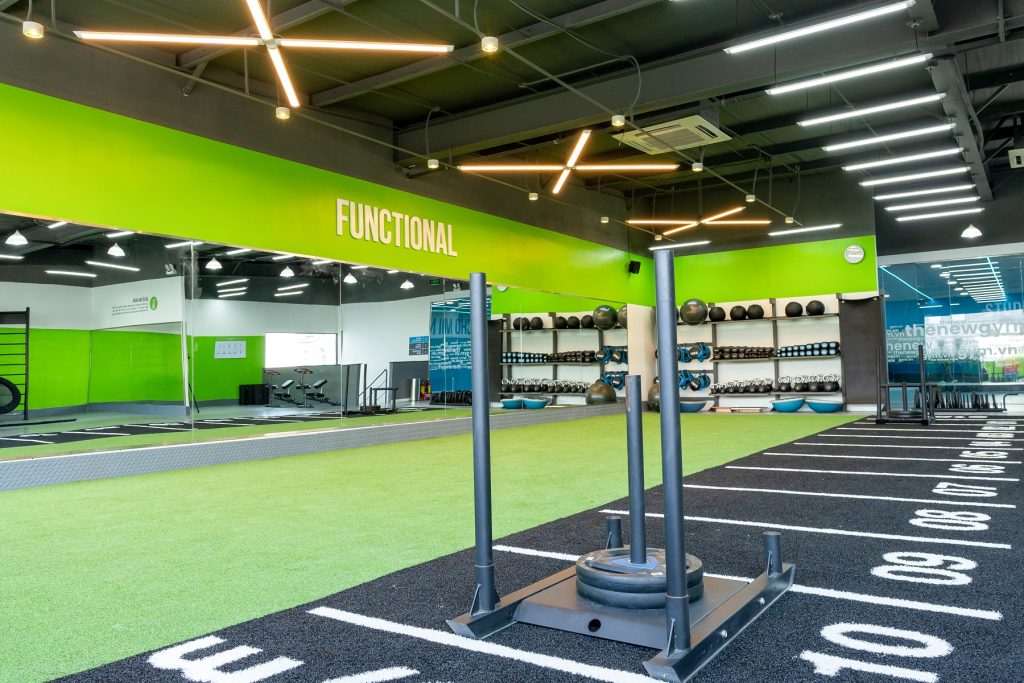
Non-members can sign up for 7 days of free training to train and stretch in The New Gym’s Functional zone.

Conclusion
Just 5–10 minutes of stretching after each session is enough. It’s a small investment in your long-term progress.
A more flexible body lets you perform strength exercises with a better range of motion, supporting your goal to build muscle and lose fat.
Recovery matters as much as training, so stretching should be a fixed part of the end of every session.
To help you keep up a regular training and stretching habit, The New Gym members can join more than 11 free group classes and watch guide videos in the app.
🧘Articles on stretching & recovery
A collection of 47 articles about stretching & recovery, ordered by how often they are read.
- The Most Effective 19-Minute Full-Body Mobility Guide
- Stiff as a Board? 5 Tips to Become More Flexible
- 3 Hamstring Stretches to ‘Rescue’ Your Lower Back
- Torn ligaments: signs and how to handle them
- What Is DOMS? 7 Effective Ways to Relieve Post-Workout Muscle Soreness
- Instantly Relieve Wrist, Shoulder and Neck Pain with 6 Simple Arm Stretches
- Foam Roller: The Self-Massage “Expert” for Your Body at the Gym
- Why Rest Days After the Gym Make You Healthier
- 5 Effective Exercises to Improve Your Balance
- Effective ways to prevent injury at the gym you should know
- 3 Partner Stretches: More Flexibility and a Stronger Training Friendship
- 4 Muscle Areas Where a Tennis Ball Can Effectively Relieve Pain
See 35 more articles ▾
- Proper Calf Stretching to Prevent Injury and Increase Flexibility
- 15 Benefits of Massage: Muscle Recovery, Less Stress and Better Immunity
- Cooling Down Properly: The Complete Guide for Every Session
- A Guide to the Inchworm Warm-Up Exercise
- Gym tips for people with a herniated disc
- 3 Super-Effective Posture Improvement Exercises
- 6 lower back stretches for effective pain relief
- 7 reasons you feel tired after the gym and how to fix them
- 7 things to do after the gym for better muscle growth and recovery
- What Is Active Recovery? How Is It Different from Passive Recovery?
- Arm Circles: A Warm-Up for Strong Shoulders
- Massage Before or After the Gym? An Expert Answer
- Should You Take a Hot or Cold Shower After Training?
- 5 stretches to improve your Squat
- Does the pump after training make your muscles bigger?
- 10+ quick, effective dynamic warm-ups before the gym
- What is low impact: gentle exercises for your joints
- 4 Stretches to Fight “Office Syndrome”
- A Detailed Guide to Exercises for Healthy Knees
- Gym lifting belts and how to use them correctly
- Should you go to the gym when you’re tired? Causes and fixes
- What Is a Neutral Spine? The Key to Safe Training
- Wrist pain and carpal tunnel syndrome from typing
- A Guide to Recovering from Training Injuries
- What is your body telling you when your arms shake during a workout?
- Why do you pass gas while exercising?
- Overtraining: The Silent Enemy of Gym-Goers
- 7 Most Effective Ways to Improve Your Sleep
- What to eat to sleep better? A diet that improves sleep
- What is HRV? Understanding heart rate variability
- Warming Up Properly Before the Gym: A 5-10 Minute Routine for Every Session
- Proper sitting posture to avoid spinal curvature
- Does going to the gym make your muscles stiff and less flexible?
- What is your body clock? How to reset it when it’s disrupted
About The New Gym
The New Gym is a gym chain with 15 clubs in Ho Chi Minh City, Can Tho, Da Nang and Dong Nai. Most clubs are open 24/7, while Can Tho and Bien Hoa are open from 5am to midnight (see opening hours for each club). Memberships start from 299,000 VND/month on the 6-month plan, including 11+ free group classes. Guided by our “Gym for everyone” philosophy, first-time visitors get a 7-day free trial.
📞 Hotline: 1900 63 69 20
📌 Facebook: facebook.com/thenewgymvietnam
💬 Zalo: zalo.me/4267108480570109866


